


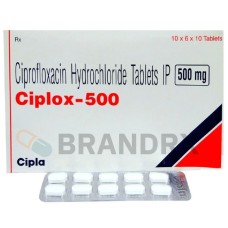










Ciprofloxacin: A Comprehensive Overview of the Category
Ciprofloxacin is part of a class of antibiotics known as fluoroquinolones, used primarily to treat a range of bacterial infections. What unites all products in the Ciprofloxacin category is their ability to disrupt the DNA replication processes of bacteria, thereby inhibiting their growth and reproduction. This mechanism allows these medications to effectively target various infections, including those affecting the urinary tract, respiratory system, and skin. Key features common to the entire group include a broad-spectrum efficacy against both gram-negative and some gram-positive bacteria, making them versatile options for treating diverse infections. Additionally, they offer convenient administration routes, which enhance patient compliance.
Forms and Types of Ciprofloxacin Products
The Ciprofloxacin category encompasses various forms and types of medication, allowing for flexibility depending on patient needs and circumstances. The most common forms include oral tablets and liquid suspensions, which are often prescribed for outpatient treatment. For more severe infections, intravenous (IV) formulations may be utilized, providing rapid delivery of the medication directly into the bloodstream. Additionally, there are topical forms designed for specific applications, such as eye drops for treating eye infections. This range of formulations ensures that healthcare providers can tailor treatments based on the severity of the infection, patient preferences, and other clinical considerations.
The Distinctive Advantages of Ciprofloxacin
Ciprofloxacin stands out from other antibiotic categories due to its unique mechanism and wide application range. Unlike many antibiotics that may only target specific types of bacteria, Ciprofloxacin is effective against a broader spectrum of pathogens, including those resistant to other treatments. This makes it a suitable choice for complicated infections and those caused by multi-drug-resistant organisms. Additionally, its relatively quick onset of action and ability to penetrate tissues can lead to faster recovery times. Users should consider Ciprofloxacin, especially when faced with infections that do not respond to traditional antibiotics, helping to ensure that they receive effective care tailored to their unique health situations.
Long-Term Effects and Usage Considerations
The long-term effects of using Ciprofloxacin can be significant, especially with proper adherence to prescribed guidelines. This medication is usually well-tolerated but can have some potential side effects, including gastrointestinal disturbances, nervous system effects, and, in rare cases, tendon damage. It's essential to be aware of contraindications, such as its unsuitability for pregnant women, nursing mothers, and children under 18 years old due to potential effects on joint and tissue development. Individuals with certain conditions, such as a history of tendon disorders or those with specific types of kidney issues, should also take caution when considering Ciprofloxacin as a treatment option. Consulting with a healthcare provider can ensure a well-informed decision tailored to individual health needs.
Choosing and Using Ciprofloxacin Effectively
When selecting or initiating treatment with Ciprofloxacin, there are several practical considerations to keep in mind. It is crucial to have a healthcare professional assess the infection type and severity to ensure that Ciprofloxacin is the appropriate choice. Patients should disclose their complete medical history and any other medications they are taking to avoid potential drug interactions. Proper dosage and adherence to the prescribed regimen are vital to the treatment’s success and to minimize the risk of resistance developing. If side effects occur or if symptoms do not improve within the expected timeframe, it is essential to communicate with a healthcare provider for further guidance. Overall, responsible use of Ciprofloxacin can lead to effective management of bacterial infections and improved health outcomes.