


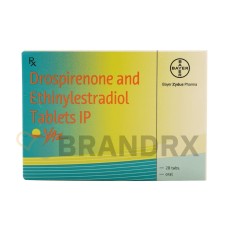



Properties of Contraceptive drugs and its practical value
Contraceptive drugs are pharmaceutical products designed to prevent pregnancy by interfering with the normal functioning of the female reproductive system. These medications can be categorized primarily into hormonal contraceptives, which include birth control pills, patches, and injections, and non-hormonal options, such as intrauterine devices (IUDs) and barrier methods. The main properties of contraceptive drugs involve their ability to regulate ovulation, alter the uterine lining to prevent implantation, and thicken cervical mucus to block sperm entry. The practical relevance of these drugs for users is significant; they offer not only a reliable method of managing reproductive health but also additional benefits such as menstrual cycle regulation and reduced risk of certain reproductive cancers. Understanding how these drugs work and their effectiveness empowers users to make informed decisions about their reproductive health.
What results athletes can expect with a systematic approach
Athletes considering contraceptive drugs may experience various outcomes when they adopt a systematic approach to their usage. Consistent use of hormonal contraceptives can lead to improved menstrual regulation, helping athletes avoid disruptions in their training schedules due to menstrual symptoms. Many female athletes report a decrease in menstrual-related discomfort, which can enhance performance and focus during competitions. Additionally, some studies suggest that hormonal contraceptives may provide a slight performance boost by stabilizing hormone fluctuations that could otherwise impact energy levels and mood. Systematic use can result in:
- Improved menstrual cycle regularity
- Reduction of premenstrual syndrome (PMS) symptoms
- Enhanced energy levels and mood stabilization
- Potential reduction in the risk of anemia caused by heavy menstrual bleeding
For athletes, the benefits may not only be physical but also psychological, knowing that they can manage their reproductive health while performing at their best.
Popular Contraceptive drugs options and how to choose
Choosing the right contraceptive drug involves considering several options and selecting one that aligns with individual health needs and lifestyle preferences. Common variations include:
- Combined oral contraceptives (COCs): Contain both estrogen and progestin, effective in preventing ovulation.
- Progestin-only pills (POPs): Suitable for women who cannot take estrogen due to health concerns.
- Injectable contraceptives: Administered once every three months, convenient for those who prefer not to take daily pills.
- Transdermal patches: Provide a steady release of hormones through the skin, changing weekly.
- IUDs: Long-term, non-hormonal options like copper IUDs, which prevent sperm from fertilizing the egg.
- Implants: Rods placed under the skin that release hormones over several years.
When selecting a contraceptive drug, users should consider factors such as lifestyle, health history, side effect tolerance, and the effectiveness of the method. Consulting with a healthcare provider can help narrow down the best option tailored to individual needs.
Who is not recommended to use the product
While contraceptive drugs offer significant advantages, they may not be suitable for everyone. Certain groups of individuals should approach these products with caution or may be advised against their use altogether. Those who should not use contraceptive drugs include:
- Women who smoke and are over 35 years old, due to increased risk of cardiovascular complications.
- Individuals with a history of blood clots, stroke, or certain cancers.
- Women with uncontrolled hypertension or certain liver diseases.
- Individuals allergic to any components of the contraceptive formulation.
- Women who are pregnant or suspect they might be.
It is crucial for users to disclose their full medical history to healthcare providers to ensure safe and appropriate contraceptive choices.
Possible side effects and ways to minimize them
While many users tolerate contraceptive drugs well, some may experience side effects. Common side effects include nausea, breast tenderness, weight gain, and mood changes. More serious but rare side effects may include blood clots and liver problems. To minimize the potential for adverse reactions, individuals can consider the following recommendations:
- Consult with a healthcare provider to choose the most suitable contraceptive based on individual health.
- Be aware of the timing when starting a new contraceptive to allow the body to adjust.
- Maintain regular check-ups to monitor health outcomes while using contraceptives.
- Stay hydrated and follow a balanced diet to help manage weight-related side effects.
- Report any unusual symptoms to a healthcare provider promptly for assessment.
Being informed about potential side effects and taking proactive steps can significantly enhance the experience with contraceptive drugs.
Order Contraceptive drugs online in the USA
Ordering contraceptive drugs online in the USA provides a convenient option for many users. However, it is essential to ensure that the source is reputable. Here are steps to guide users through the process:
- Research licensed online pharmacies that require a prescription to ensure the legitimacy of the products.
- Consult a healthcare provider for a prescription and a recommended pharmacy.
- Look for online pharmacies that offer a secure and private ordering process.
- Read customer reviews to gauge the reliability of the pharmacy.
- Check the pharmacy's return policy and customer support options in case of issues.
By following these guidelines, users can successfully navigate the process of ordering contraceptive drugs online, ensuring they receive safe and effective products tailored to their needs.