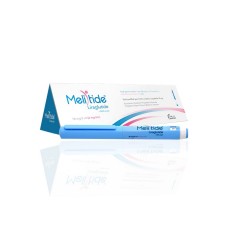

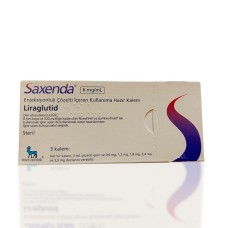





Liraglutide: A Comprehensive Overview
Liraglutide is a medication primarily used in the management of type 2 diabetes and obesity. As a member of the glucagon-like peptide-1 (GLP-1) receptor agonists, Liraglutide plays a critical role in enhancing insulin secretion, thereby helping to control blood sugar levels. Furthermore, it aids in appetite regulation and weight management, making it a dual-purpose option for individuals concerned with their diabetes and weight issues. By mimicking the incretin hormones that the body typically produces in response to food intake, Liraglutide effectively helps improve glycemic control and promotes weight loss in a sustainable manner.
Typical Users and Applications
Liraglutide is primarily utilized by individuals diagnosed with type 2 diabetes who seek an effective solution for managing their blood sugar levels. It is also increasingly prescribed for those experiencing obesity, particularly when traditional diet and exercise methods have not yielded desired results. Typical users are usually adults who may also be dealing with weight-related health concerns, including hypertension, dyslipidemia, and metabolic syndrome. In clinical settings, healthcare providers may recommend Liraglutide to patients who have not achieved sufficient glycemic control with other oral medications, or as an adjunct therapy alongside lifestyle modifications. Moreover, healthcare professionals may consider Liraglutide for individuals with a body mass index (BMI) that categorizes them as obese, especially if they have associated health risks.
The Strengths of Liraglutide
Liraglutide stands out among other weight management and diabetes medications due to several key characteristics. First, it offers once-daily dosing, enhancing patient compliance compared to treatments that need to be taken multiple times a day. Second, Liraglutide has been shown to have lasting benefits for weight loss, which is a crucial factor for individuals struggling with obesity. Third, clinical studies have demonstrated that, beyond controlling blood sugar, Liraglutide can significantly reduce the risk of cardiovascular events in diabetes patients, providing additional health benefits. Furthermore, Liraglutide is generally well-tolerated, with a safety profile that allows for its use in a diverse group of patients. Notably, its mechanism of action, which includes slowing gastric emptying and promoting satiety, differs from traditional diabetes medications, offering a multifaceted approach to treatment.
Benefits of Liraglutide
Considering Liraglutide for managing diabetes and obesity comes with numerous benefits. Below are some key advantages:
- Effective blood sugar control: Liraglutide assists in reducing postprandial and fasting blood glucose levels significantly.
- Weight management: Users often experience a decrease in body weight, which helps reduce obesity-related health risks.
- Cardiovascular protection: Research suggests that Liraglutide may lower the risk of heart attacks and strokes in individuals with diabetes.
- Convenient administration: The once-daily injection simplifies the treatment regimen, promoting adherence.
- Support for lifestyle changes: Liraglutide does not replace the need for a healthy diet and physical activity but complements these lifestyle interventions.
Important Considerations Before Using Liraglutide
Before initiating treatment with Liraglutide, it is crucial for patients to consult with healthcare providers about potential contraindications and important safety considerations. Individuals with a personal or family history of medullary thyroid carcinoma or Multiple Endocrine Neoplasia syndrome type 2 should avoid this medication due to the associated risk of thyroid tumors. Additionally, Liraglutide is not recommended for patients with severe gastrointestinal disease, pancreatitis, or those who are pregnant or breastfeeding. Patients should also be aware of possible side effects, including nausea, vomiting, diarrhea, and potential allergic reactions. Regular monitoring of renal function is advised, especially for those who have existing kidney issues. Understanding these considerations will help ensure that Liraglutide is a suitable option for effective diabetes and weight management.