

Understanding Hypolipidemic Drugs
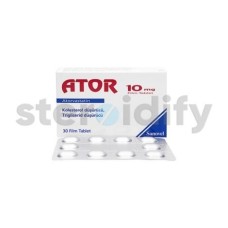
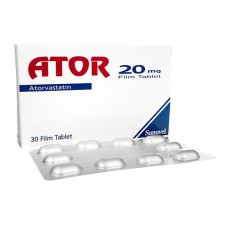
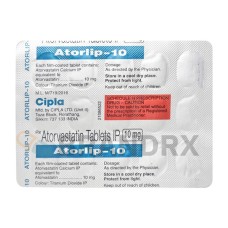
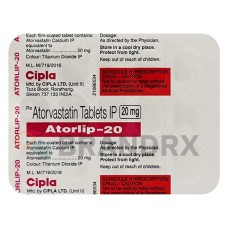
Hypolipidemic drugs represent a specific category of medications designed to lower lipid levels in the blood, particularly cholesterol and triglycerides. These drugs address important health issues associated with high lipid levels, such as hyperlipidemia, which can lead to serious conditions like cardiovascular disease and stroke. The primary task of these medications is to help manage and reduce the risks associated with high cholesterol, enabling individuals to maintain better heart health and overall wellness. By targeting lipids in the bloodstream, hypolipidemic drugs play a crucial role in preventive healthcare and treatment strategies.
Target Audience and Application Areas
This category of drugs is primarily intended for adults who have been diagnosed with high cholesterol, high triglycerides, or other lipid disorders. They are commonly prescribed for individuals who are at risk of developing heart disease, those suffering from conditions such as diabetes, or patients with a family history of cardiovascular issues. Additionally, hypolipidemic drugs may be recommended for patients who are unable to achieve their lipid goals through lifestyle changes alone, such as diet and exercise.
It is vital to note that consultation with a doctor or healthcare specialist is required before starting any hypolipidemic medication. This is crucial for assessing individual health needs and ensuring safety. Certain groups of people may be contraindicated for these drugs, including pregnant women, children, and individuals who have specific medical conditions or allergies. Close monitoring and professional guidance are essential to minimize any potential risks associated with their use.
Benefits of Hypolipidemic Drugs
The key benefits of hypolipidemic drugs extend beyond merely lowering cholesterol. They play an essential role in reducing the overall risk of heart-related issues, such as heart attacks and strokes, and in promoting a better quality of life for patients with lipid disorders. In particular, individuals with elevated LDL (low-density lipoprotein) cholesterol levels, known as "bad" cholesterol, can greatly benefit from medications in this category. Patients who experience familial hypercholesterolemia, a genetic condition that leads to extremely high cholesterol levels, may also find these drugs especially beneficial. Furthermore, those who have not responded adequately to lifestyle modifications may find a significant improvement in their lipid profiles with the aid of these medications.
Main Value and Advantages of Using Hypolipidemic Drugs
The main value that products in the hypolipidemic drug category provide lies in their ability to effectively manage lipid levels, thereby significantly reducing the risk of cardiovascular complications. These medications can help to stabilize cholesterol levels, promote healthier blood circulation, and improve overall heart function. Additionally, they often complement lifestyle changes, magnifying the benefits of dietary modifications and physical activity. The incorporation of hypolipidemic drugs into a comprehensive health plan allows for a proactive approach to cardiovascular health, enabling individuals to take charge of their well-being and minimize the risks associated with high lipid levels. Ultimately, the use of these medications can lead to improved long-term health outcomes and overall quality of life for those who are at risk of lipid-related conditions.