Sort By:
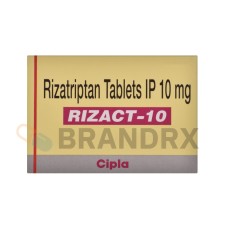

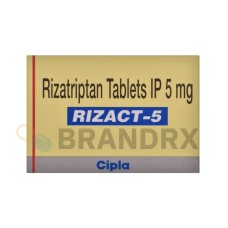
Define Rizatriptan as a Product Category and Explain Its General Purpose
Rizatriptan belongs to a specific category of medications known as triptans, which are often prescribed to treat acute migraine attacks. These pharmaceutical agents are designed to alleviate the pain and debilitating symptoms associated with migraines, such as nausea, vomiting, and sensitivity to light and sound. The primary mechanism of action for Rizatriptan involves selective agonism of serotonin receptors (5-HT1B and 5-HT1D), which leads to vasoconstriction of dilated intracranial blood vessels. This mechanism effectively blocks the release of pro-inflammatory neuropeptides, thereby interrupting the cascade of events that lead to a migraine episode. By targeting these specific receptors, Rizatriptan not only mitigates migraine pain but also aids in the relief of associated symptoms, allowing patients to regain functionality more swiftly. While it is important to recognize that Rizatriptan does not prevent migraines from occurring, it provides a targeted approach for managing acute episodes, making it a key option within the pharmacological landscape for migraine sufferers.Describe How Rizatriptan Fits into Broader Product Ecosystems or Treatment Strategies
Rizatriptan is often considered an integral component of a multi-faceted approach to migraine management. In broader product ecosystems, it is usually combined with lifestyle changes, preventative medications, and alternative therapies to enhance treatment efficacy and improve patient outcomes. Patients may benefit from a range of products and strategies aimed at managing migraine-related triggers, such as stress, dietary factors, and sleep disturbances. For instance, behavioral therapies, including cognitive-behavioral therapy (CBT), can complement Rizatriptan use by equipping patients with coping mechanisms to reduce the frequency and severity of migraine attacks. Additionally, non-pharmacological interventions, such as acupuncture and massage therapy, have gained attention as holistic methods to mitigate migraine symptoms alongside medication. Within a comprehensive treatment strategy, Rizatriptan integrates seamlessly with preventive medications like beta-blockers or anticonvulsants, which aim to reduce the overall frequency of migraines. The selection of treatment options is typically tailored to the individual needs of the patient, taking into account personal medical history and specific characteristics of their migraine pattern. Moreover, Rizatriptan and other triptans may be juxtaposed with over-the-counter pain relievers like ibuprofen or naproxen for acute migraine relief, showcasing the diversity of available care strategies. Such layered treatment approaches underscore the importance of a personalized healthcare plan, ensuring that patients can live with a better quality of life despite their migraines.Explain the Advantages Users Typically Expect from This Category
Users of Rizatriptan can anticipate several advantages, differentiating it from other pain relief options. These advantages serve as critical factors influencing patients' decisions to incorporate Rizatriptan into their migraine management plans.- Fast-acting relief: Rizatriptan is known for its rapid onset of action, often providing relief within 30 minutes to 2 hours after dosing.
- Targeted mechanism: By specifically targeting the serotonin receptors related to migraine physiology, users often experience more effective and focused relief from migraine symptoms compared to general painkillers.
- Reduced severity of migraine symptoms: Many users report not just alleviation of pain but also a decrease in associated symptoms such as nausea and sensitivity to light and sound.
- Convenience of administration: Rizatriptan is available in various forms, including orally dissolving tablets and traditional tablets, facilitating user compliance and ease of use.
- Established efficacy: Numerous clinical trials substantiate the effectiveness of Rizatriptan, helping to build user trust in its prescribed use for migraine management.