Sort By:


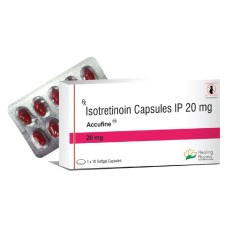
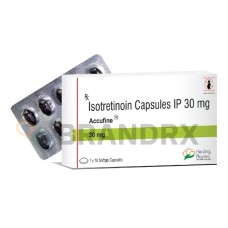
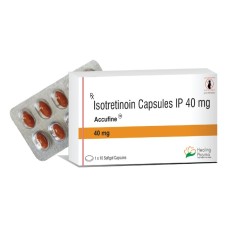
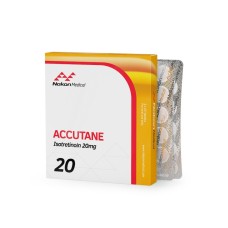

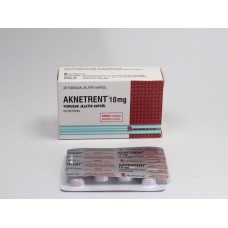
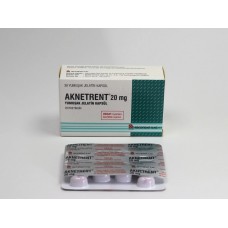
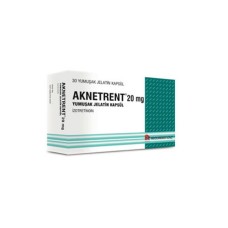
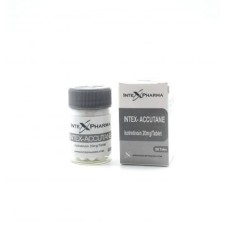
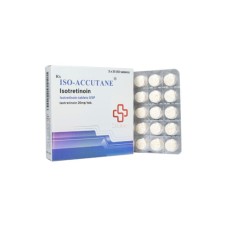

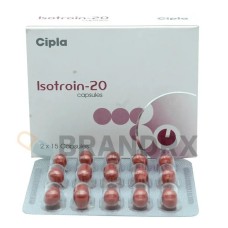
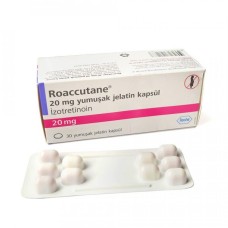
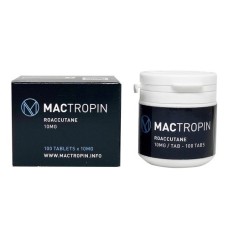
What is Isotretinoin?
Isotretinoin, a powerful retinoid, is primarily used for the treatment of severe acne. It is a derivative of vitamin A and works by reducing the size and output of sebaceous glands in the skin. By decreasing oil production, Isotretinoin aids in preventing clogged pores, thus significantly reducing acne outbreaks. This medication is typically prescribed when other treatments have failed or when acne presents a substantial risk of scarring. Beyond acne treatment, Isotretinoin has also shown efficacy in treating other disorders relating to skin cell growth and differentiation.Effects and benefits of Isotretinoin
The primary effect of Isotretinoin is its ability to clear up severe forms of acne effectively. Patients often experience a dramatic reduction in breakouts and visible improvements in skin texture. Some potential benefits include:- Long-lasting results—many patients experience sustained remission of acne symptoms following treatment.
- Decreased incidence of acne scars, as effective treatment reduces the prevalence of severe acne lesions.
- Reduction of oiliness in the skin, leading to an overall healthier appearance.
- The potential to minimize associated psychological issues caused by severe acne, such as anxiety and depression, by improving self-esteem.
Dosage and how to take Isotretinoin
Isotretinoin is generally taken orally in capsule form. The dosage is tailored to the individual’s body weight, severity of acne, and response to treatment. Typically, doctors start patients on a low dose and gradually increase it based on tolerance and desired outcomes. It's vital to follow the prescribed regimen closely, usually taken once or twice daily after meals to enhance absorption. Regular follow-up appointments are crucial during treatment to monitor progress, side effects, and adjust the dosage accordingly.Possible side effects
While Isotretinoin is effective for many, it can also cause a range of potential side effects. Being aware of these is essential for any patient considering this treatment. Possible adverse effects include:- Dry skin and lips, which is the most common side effect.
- Increased sensitivity to sunlight, leading to a higher risk of sunburn.
- Nasal dryness, which may cause nosebleeds.
- Mood changes, including symptoms of depression or anxiety.
- Potential liver damage, which is why regular blood tests are required during treatment.