
Define Rivaroxaban as a Product Category and Explain Its General Purpose
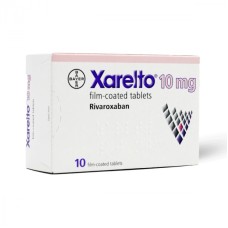
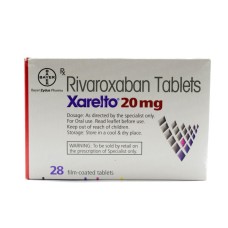
Rivaroxaban is a direct oral anticoagulant (DOAC) that plays a crucial role in the management of various thromboembolic conditions. Marketed under the brand name Xarelto, it is primarily utilized for preventing and treating conditions such as deep vein thrombosis (DVT), pulmonary embolism (PE), and for stroke prevention in patients with non-valvular atrial fibrillation. As part of a new generation of anticoagulants, Rivaroxaban offers a distinct mechanism of action by directly inhibiting Factor Xa, a central component in the coagulation cascade.
The effectiveness of Rivaroxaban in reducing the incidence of harmful blood clots has made it an essential medication in both hospital settings and for outpatient therapy. Its ease of use, typically involving once-daily dosing without the need for routine laboratory monitoring, enhances compliance and patient satisfaction. This category of medications is increasingly relevant as healthcare providers turn toward streamlined therapies that can be easily integrated into daily life while minimizing the risk of complications associated with traditional vitamin K antagonists.
Describe How Rivaroxaban Fits Into Broader Product Ecosystems or Treatment Strategies
The incorporation of Rivaroxaban in treatment protocols signifies a significant evolution in anticoagulant therapy. Its use is often situated within a comprehensive management plan that may include lifestyle modifications, dietary considerations, and adjunct medications. For instance, Rivaroxaban is frequently prescribed alongside antiplatelet agents or after surgical interventions such as hip or knee replacement, where the risk of thromboembolism is heightened.
Furthermore, Rivaroxaban's predictable pharmacokinetic profile allows it to be integrated with other therapies seamlessly, offering flexible options tailored to individual patient needs. A key aspect of this broader ecosystem is the emphasis on patient education. Patients are encouraged to understand their treatment regimens, including awareness about potential interactions with other medications and the importance of adherence to prescribed dosing. This integration emphasizes a multidisciplinary approach to healthcare, where various therapeutic modalities converge to enhance patient outcomes.
Explain the Advantages Users Typically Expect from This Category
Users of Rivaroxaban and similar anticoagulants often anticipate several benefits that enhance their quality of life and treatment experience. The following are some key advantages often associated with the use of Rivaroxaban:
Effective Thromboprophylaxis: Rivaroxaban significantly reduces the risk of thromboembolic events, such as stroke and DVT, which can drastically impact patient quality of life.
Convenient Dosing: Unlike many traditional anticoagulants that require multiple doses daily, Rivaroxaban is typically administered once daily, enhancing adherence among patients.
No Routine Monitoring Required: One of the standout features of Rivaroxaban is the lack of necessity for regular blood tests for INR (International Normalized Ratio) monitoring, simplifying the treatment process.
Rapid Onset of Action: Rivaroxaban provides a quick anticoagulant effect, which is particularly beneficial in acute care settings where immediate action is required.
Extensive Clinical Research: Many studies endorse Rivaroxaban's efficacy and safety, providing patients and healthcare providers with confidence in its use for preventing and managing thromboembolic conditions.
Discuss Risks, Precautions, and Contraindications for Use
While Rivaroxaban provides numerous benefits, users should also be aware of the potential risks and precautions necessary to ensure safe usage. One of the most critical considerations is the increased risk of bleeding; patients on Rivaroxaban must be counseled about recognizing signs of serious bleeding, such as unusual bruising, blood in urine or stool, or prolonged bleeding from cuts.
Contraindications include active bleeding disorders, severe renal impairment, and cases where a patient is currently undergoing procedures that are likely to result in significant bleeding. Additionally, special attention should be given to patients who are pregnant or breastfeeding, as the effects of Rivaroxaban on these populations have not been sufficiently studied. Comprehensive medication reviews are essential to avoid potential drug interactions that can arise with other anticoagulants, antiplatelets, or certain over-the-counter medications.
Conclude with Guidance on How Users Should Approach Understanding and Exploring the Rivaroxaban Category Responsibly
Understanding the Rivaroxaban category is essential for patients and healthcare providers alike. It is recommended that users engage in open discussions with healthcare professionals to ensure they are informed regarding the benefits and risks associated with this medication. Comprehensive education on the correct dosing, potential interactions, and how to manage side effects is pivotal in optimizing the therapeutic outcomes associated with Rivaroxaban.
Moreover, users should consider leveraging reputable sources of information, including peer-reviewed studies, patient support groups, and professional healthcare guidelines, to further their understanding of how Rivaroxaban fits within their health goals. Taking a proactive role in one's healthcare not only fosters better adherence but can also enhance overall safety and effectiveness in the management of thromboembolic conditions.
In summary, Rivaroxaban represents a significant advancement in anticoagulant therapy, but a thoughtful, educated approach is necessary to maximize its benefits while minimizing potential risks.