

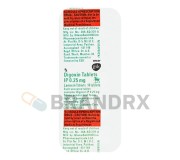
Key features of Digoxin and its advantages
Digoxin is a potent cardiac glycoside with a rich history in the management of heart conditions. Primarily derived from the leaves of the Digitalis purpurea plant, this product category plays an essential role in treating various heart-related ailments, particularly in individuals with heart failure and atrial fibrillation. The primary advantage of digoxin lies in its ability to enhance the contractility of the heart muscles, thereby improving cardiac output. This leads to better blood flow and oxygen delivery to vital organs, which is crucial for patients struggling with compromised heart function.
In the broader market, digoxin is recognized for its therapeutic impact and has been a staple in cardiac care. Its unique mechanism of action, which involves inhibiting the sodium-potassium ATPase pump, allows it to effectively manage heart rhythms while also providing symptomatic relief. As a result, digoxin remains a preferred choice for many healthcare professionals when addressing atrial fibrillation and heart failure, making it a critical product within the cardiology sector.
Furthermore, digoxin offers the advantage of flexibility in administration, as it can be given orally or intravenously, catering to the specific needs and health status of the patient. As the understanding of cardiac health evolves, digoxin continues to hold significance in treatment protocols and patient management strategies, reinforcing its esteemed position in therapeutic practices focused on cardiovascular health.
Positive pharmacological properties
Digoxin, as part of its pharmacological properties, exhibits a range of characteristics that facilitate its effectiveness in treating heart conditions. These include improved myocardial contractility, atrioventricular node conduction, and a reduction in the heart rate. Collectively, these effects contribute to its ability to stabilize heart rhythms and enhance overall cardiac performance.
However, despite its advantages, digoxin is not suitable for everyone. Certain populations must exercise caution or avoid its use entirely. Below is a list of individuals for whom digoxin may be contraindicated:
- Pregnant women - Due to potential risks to fetal development.
- Children - The effects of digoxin in pediatric patients can significantly differ, and close monitoring is essential.
- Individuals with certain kidney conditions - Impaired renal function can lead to digoxin accumulation and toxicity.
- Patients with certain heart conditions - Those with ventricular fibrillation should generally avoid digoxin.
- Individuals on specific medications - Certain drugs can interact with digoxin, increasing the risk of adverse effects.
Understanding these characteristics is crucial in ensuring safe and effective use of digoxin while maximizing its therapeutic benefits.
Active substance of Digoxin
The active substance in digoxin, derived from its natural source, exhibits remarkable versatility and potency. Continuous research and development in cardiology have led to the exploration of new formulations and delivery methods to enhance the efficacy of digoxin while minimizing side effects. Technological advancements in pharmaceutical sciences allow for improved dosing strategies and individualized treatment plans for patients, addressing various heart conditions.
Moreover, as medical research progresses, alternative approaches to digoxin's therapeutic roles are being investigated. Ongoing studies assess its potential in combination therapies, particularly regarding co-morbidities prevalent in heart failure patients. This evolving landscape emphasizes the importance of staying updated with the latest clinical findings and treatment methodologies in the field of cardiology.
Who is not recommended to use these products
When considering the use of digoxin, it is critical to evaluate safety and suitability based on individual circumstances. Several safety considerations must be taken into account to ensure responsible use of digoxin. Individuals who have specific medical conditions or are taking certain medications may face increased risks when using this medication. Additionally, patients must also consider potential side effects, such as nausea, dizziness, or visual disturbances, which can occur in some instances.
Healthcare professionals typically conduct thorough assessments of patient history, current health status, and potential drug interactions to prevent adverse reactions. It is essential to consult with a healthcare provider before initiating treatment with digoxin to ensure that the benefits outweigh any risks associated with its use.
Where to purchase Digoxin in the USA
Digoxin occupies a unique niche in the U.S. healthcare market, as it continues to be a cornerstone in the management of chronic heart conditions. Patients and healthcare providers alike can find digoxin through various distribution channels, including retail pharmacies, hospital pharmacies, and specialized cardiology practices. It is important for consumers to procure digoxin through licensed providers to ensure they receive quality products and proper guidance on its usage.
The overall value of digoxin for users is significant, given its long-standing efficacy in treating cardiovascular disorders. As a reliable therapeutic option, it not only helps patients manage symptoms but also enhances their quality of life through improved heart function and stability. With the ongoing advancements in medical science and technology, digoxin remains well-positioned within the cardiology sector, promising continued utility in patient care.