
Atenolol: Understanding the Core Features and Common Principles
The Atenolol category encompasses a range of medications that share a fundamental role in managing cardiovascular conditions. Atenolol itself, a selective beta-1 adrenergic blocker, is primarily used to treat high blood pressure and heart-related issues. What unites all products within this category is their mechanism of action, which involves blocking specific receptors in the heart to reduce heart rate and lower blood pressure. This pharmacological approach helps alleviate the workload on the heart, thereby improving overall cardiovascular health.
Additionally, drugs within this category are well-regarded for their efficacy in managing various heart conditions, such as angina and arrhythmias, as well as preventing migraine headaches. Across the board, Atenolol products are characterized by their rapid absorption and the gradual onset of action, allowing for stable management of symptoms over time. The common goal is to provide users with a reliable means of controlling their heart rate and blood pressure, ultimately enhancing their quality of life.
Forms of Release Available in this Category
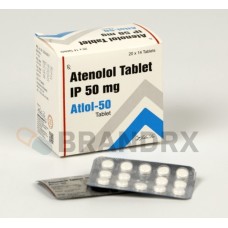
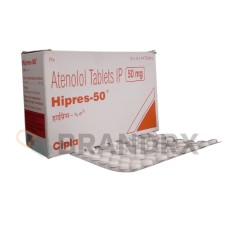
Products in the Atenolol category are available in several forms, allowing for flexibility and personalized treatment options depending on patient needs. The most common forms are oral tablets and extended-release formulations. Oral tablets are typically taken once or twice daily, making them a convenient choice for many patients. On the other hand, extended-release capsules are designed to provide a steady release of the medication throughout the day, thus maintaining consistent drug levels in the bloodstream.
Some variations may include different dosages to cater to individual requirements, ensuring that patients receive the appropriate strength to manage their conditions effectively. Certain formulations may also include combinations with other medications to enhance therapeutic efficacy and improve patient compliance. Understanding these options is essential for both patients and healthcare providers when determining the best course of treatment.
Atenolol: Distinguishing Features Compared to Other Categories
The primary distinction of Atenolol products from other categories lies in their specific mechanism of action and target conditions. Unlike other antihypertensive medications that may act on various body systems, Atenolol's selective nature allows it to focus on beta-1 receptors found predominantly in the heart, making it a preferred choice for patients with specific cardiac concerns. This targeted approach reduces the incidence of side effects often associated with non-selective beta-blockers or other classes of antihypertensive agents.
Moreover, Atenolol is frequently chosen for its predictable pharmacokinetics, which contribute to sustained efficacy. Patients often experience fewer fluctuations in their blood pressure levels and heart rate, promoting better compliance with long-term therapy. For individuals with heart failure, post-myocardial infarction, or chronic instability in heart rhythms, Atenolol serves as a vital component of their treatment regimen. Its proven track record in these areas highlights why it remains a cornerstone in cardiovascular pharmacotherapy.
Long-Term Prospects and Contraindications for Atenolol Use
It is essential to understand the long-term prospects associated with the use of medications in the Atenolol category. Regular use of Atenolol can lead to significant improvements in heart function, a reduction in the incidence of cardiovascular events, and enhanced overall well-being for patients dealing with chronic heart conditions. However, the effectiveness of these products may vary among individuals, and regular follow-up with healthcare professionals is necessary.
While Atenolol is beneficial for many, it is crucial to recognize contraindications and specific populations who may not be suitable for this medication. Pregnant women, particularly during the first trimester, should generally avoid its use due to potential risks to the developing fetus. Moreover, individuals with respiratory conditions like asthma or chronic obstructive pulmonary disease (COPD) may experience exacerbated symptoms, as Atenolol can constrict air passages minimally. Other contraindications include hypersensitivity to Atenolol or related compounds, severe bradycardia, and certain types of heart block. Proper screening by a healthcare provider ensures that patients receive comprehensive care tailored to their unique health profiles.
Practical Advice for Choosing and Starting Atenolol Products
When considering products from the Atenolol category, it is vital to consult a healthcare provider for personalized guidance. Patients should openly discuss their medical history, current medications, and specific health concerns, allowing for a well-informed decision regarding the suitability and dosage of Atenolol. Starting with a lower dose is often recommended to gauge tolerance and response, followed by gradual adjustments as needed.
Additionally, patients should be aware of potential side effects and interactions associated with Atenolol, including fatigue, dizziness, and cold extremities. Monitoring these effects and maintaining regular check-ups can aid in ensuring the medication's optimal effectiveness. It can also be beneficial to keep a symptom diary, detailing any changes in heart rate or blood pressure, as this information can provide valuable insights during consultations with healthcare providers.
Ultimately, Atenolol presents a dependable option for those seeking effective management of cardiovascular conditions. By approaching treatment with a well-rounded understanding of the medication and its implications, patients can maximize the potential benefits of Atenolol products, leading to improved heart health over time.