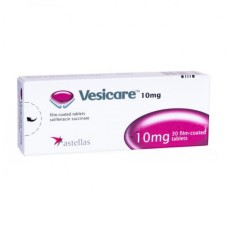

Introducing the Solifenacin succinate category and its role for users
Solifenacin succinate is a medication primarily used to treat overactive bladder (OAB) symptoms such as frequent urination, urgency, and incontinence. This pharmacological agent belongs to a category of drugs known as antimuscarinics, which work by inhibiting the actions of acetylcholine on muscarinic receptors in the bladder. By targeting these receptors, Solifenacin succinate helps to relax the bladder muscle, reducing the urgency and frequency of urination, thus offering significant relief to individuals suffering from OAB. This category of medications is essential for enhancing the quality of life for those affected by bladder control issues, and it represents a vital therapeutic option for millions of people in the United States.
How products in this category generally work and what unites them conceptually
Antimuscarinics, including Solifenacin succinate, work by blocking specific neurotransmitters that lead to involuntary contractions of the bladder. Acetylcholine is the key neurotransmitter involved in signaling the bladder to contract; by inhibiting its binding to muscarinic receptors, these drugs cause the bladder to remain more relaxed and filled longer, delaying the urge to urinate. This mechanism is consistent across various medications in this class, which includes other agents like oxybutynin and tolterodine. One core unifying element among these products is their efficacy in managing symptoms of overactive bladder, despite differences in their chemical structure and potential side effects. As antimuscarinics, they share the goal of improving urinary control and enhancing the quality of life for individuals dealing with bladder dysfunctions.
Benefits of Solifenacin succinate
Solifenacin succinate offers multiple benefits for individuals struggling with overactive bladder. Understanding these advantages is crucial for both patients and healthcare providers in making informed treatment decisions. Here are some core benefits of using Solifenacin succinate:
- Reduces urgency and frequency of urination
- Improves overall bladder control
- Enhances quality of life by alleviating the dread of incontinence
- Offers a convenient once-daily dosing schedule
- May have fewer side effects compared to older antimuscarinics
These benefits demonstrate how Solifenacin succinate can significantly improve daily activities and social interactions for individuals suffering from overactive bladder, making it a notable option among available treatments.
Safety considerations, including who should avoid products from this category
While Solifenacin succinate is generally well-tolerated, it is crucial to consider safety and potential contraindications when prescribing or using this medication. Individuals with certain medical conditions should avoid using Solifenacin succinate or consult their healthcare providers prior to its use. These conditions include narrow-angle glaucoma, urinary retention, severe gastrointestinal obstruction, and those who may be allergic to any components of the medication. Additionally, caution is advised for elderly patients or those with existing kidney or liver issues, as they may have an increased risk of side effects. Always consult with a healthcare professional before starting treatment to ensure it is safe and appropriate based on individual health needs. Adhering to prescribed guidelines and discussing any pre-existing conditions can help maximize the benefits while minimizing potential risks associated with Solifenacin succinate and similar medications.