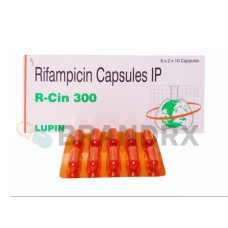


Defining Rifampicin as a Product Category and Its General Purpose
Rifampicin is a powerful antimicrobial agent that belongs to the rifamycin class of antibiotics. It is primarily used to treat bacterial infections, most notably those caused by Mycobacterium tuberculosis, the bacteria responsible for tuberculosis (TB). Its broad-spectrum antibacterial properties make it effective against a variety of other bacterial pathogens as well. In the clinical setting, Rifampicin is often utilized in combination therapies to ensure maximum efficacy and to prevent the development of drug resistance. The product category encapsulates not only the active pharmaceutical ingredient but also its various formulations, including capsules, injections, and oral solutions, all designed to deliver accurate dosages for effective treatment.
Rifampicin in Broader Product Ecosystems or Treatment Strategies
In the spectrum of treatment strategies, Rifampicin holds a pivotal role, especially in the management of infectious diseases. It is frequently included in multi-drug regimens for TB and is a key player in addressing other serious infections caused by susceptible organisms. Its integration into treatment plans is guided by established protocols and clinical guidelines that underscore the importance of combination therapy to enhance therapeutic success and mitigate resistance patterns. Furthermore, Rifampicin is often part of studies and clinical trials aiming to assess its effectiveness in conjunction with newer agents against resistant strains of bacteria, thus positioning it as a cornerstone in ongoing research efforts.
Advantages Users Typically Expect from Rifampicin
Individuals seeking treatment with Rifampicin generally anticipate a multitude of advantages that this medication promises. Among these benefits, the following key advantages are typically recognized:
- Effective Against Resistant Strains: Rifampicin is known for its potency against certain bacteria that have developed resistance to other antibiotics, making it a critical option in cases of drug-resistant TB.
- Rapid Onset of Action: Patients usually experience a quick therapeutic response when initiating treatment, which can be crucial in acute situations where immediate intervention is required.
- Comprehensive Management of Infection: By utilizing Rifampicin in conjunction with other antibiotics, healthcare providers can effectively tackle complex infections more comprehensively.
- Well-Established Treatment Protocols: The extensive body of research surrounding Rifampicin supports its use in established treatment regimens, providing healthcare practitioners with confidence in its application.
- Flexible Administration Options: Available in various formulations allows for customizable treatment plans based on patient-specific needs, whether they require oral or intravenous options.
Risks, Precautions, and Contraindications for Use
While Rifampicin is instrumental in treating serious bacterial infections, it is not devoid of risks or contraindications. Common side effects may include gastrointestinal disturbances such as nausea and diarrhea, as well as potential liver toxicity, particularly with prolonged use or in patients with pre-existing liver conditions. Furthermore, Rifampicin can interact with various medications, including anticoagulants and oral contraceptives, reducing their effectiveness. As such, comprehensive patient history and ongoing monitoring are critical components of care when prescribing this antibiotic. It is essential for both healthcare professionals and patients to recognize these potential complications to minimize adverse effects and ensure safe usage.
Guidance on Understanding and Exploring the Rifampicin Category Responsibly
When it comes to understanding and exploring the Rifampicin category, a responsible approach is paramount. Patients and healthcare providers alike should prioritize thorough communication regarding treatment goals and potential side effects. Extensive research should be undertaken in consultation with healthcare professionals to gain a comprehensive understanding of how Rifampicin fits into the larger context of personal health. For those interested in specific treatment inquiries, seeking out reputable medical sources and engaging in open dialogues with physicians will yield better-informed decisions. Moreover, adhering strictly to prescribed dosages and timelines is critical for maximizing efficacy while minimizing risks. Through diligent education, responsible usage, and adherence to medical advice, individuals can safely navigate the complexities of the Rifampicin category to achieve optimal health outcomes.