











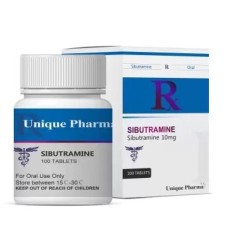



Sibutramine: An Overview of the Category and Its Main Purpose
Sibutramine is a medication primarily intended for weight management and obesity treatment. It functions as an appetite suppressant, impacting neurotransmitters in the brain to reduce hunger and increase feelings of fullness. As part of a broader lifestyle program that includes diet and physical activity, Sibutramine aids individuals in achieving significant weight loss. The medication has a unique mechanism of action, targeting the serotonin and norepinephrine pathways to promote satiety.
Although Sibutramine has been associated with effective weight loss outcomes, it is essential to note that it is not a standalone solution. Health practitioners often recommend this medication alongside caloric restriction and exercise to maximize its efficacy. The introduction of Sibutramine marked a significant advancement in anti-obesity pharmacotherapy, as it provided an option for individuals struggling to lose weight through traditional methods alone.
The use of Sibutramine requires a comprehensive evaluation of a patient's medical history, lifestyle factors, and weight-related health conditions. This ensures that those who are prescribed the medication can benefit from its advantages while minimizing risks associated with misuse or contraindicated health issues. Understanding the intended use of Sibutramine is crucial for patients seeking effective and safe weight loss solutions.
Who Uses Sibutramine and In What Contexts?
Individuals who typically use Sibutramine are those classified as overweight or obese, often meeting specific criteria defined by the Body Mass Index (BMI). This population includes adults who may have struggled with long-term weight management and are at risk of health complications associated with excess weight, such as diabetes, hypertension, and cardiovascular disorders.
Healthcare providers usually prescribe Sibutramine to patients whose lifestyle changes alone have not yielded satisfactory results. This includes individuals who have made concerted efforts to adopt healthier eating habits and increase physical activity but require additional support to achieve their weight loss goals. Sibutramine is often integrated into comprehensive weight loss programs that include counseling, dietary modifications, and exercise plans.
In some clinical scenarios, Sibutramine is also considered for patients who have experienced difficulty managing hunger or who exhibit intense cravings that sabotage their dietary efforts. The medication serves as an adjunctive tool for these individuals, aiming to facilitate better adherence to weight management programs. Ultimately, the use of Sibutramine applies in controlled settings where patients can be monitored regularly to assess their progress and adjust treatment as necessary.
The Strengths and Distinguishing Characteristics of Sibutramine
Sibutramine showcases several strengths that differentiate it from other weight loss categories and medications. One of its primary advantages is its dual-action mechanism that not only suppresses appetite but also enhances energy expenditure. This combination is particularly beneficial for those facing challenges with both overeating and low energy levels associated with dieting.
Unlike other anti-obesity drugs, Sibutramine has demonstrated effectiveness for a broad spectrum of patients, from those with moderate to severe obesity. Its ability to facilitate a more considerable weight reduction over time makes it a valuable option in the realm of pharmacotherapy. Additionally, Sibutramine's impact on mood through serotonin modulation can benefit users by enhancing motivation and overall mental well-being during the weight loss journey.
Another noteworthy characteristic is the persistency of weight loss maintenance observed in some patients after discontinuation of the medication. This suggests that Sibutramine may serve not only as a short-term solution but also as a catalyst for long-term behavioral change, which is essential for enduring weight management.
Benefits of Sibutramine: A Balanced Overview
Users of Sibutramine can experience numerous benefits primarily centered around weight management and overall health improvements. While it is essential to keep in mind that results may vary among individuals, here are some potential advantages associated with the use of Sibutramine:
- Effective appetite suppression, leading to lower caloric intake.
- Enhanced feelings of fullness and satisfaction after meals, which aids in dietary compliance.
- Promotion of increased energy expenditure, supporting weight loss efforts.
- Positive impact on mood and motivation, which can be beneficial in maintaining an active lifestyle.
- Potential for long-term weight maintenance for some individuals post-treatment.
These benefits position Sibutramine as a compelling option within weight management strategies, particularly for those who have faced obstacles in achieving their desired results. Nevertheless, it is vital to approach its use with the guidance of qualified healthcare professionals to ensure safe and effective outcomes.
Important Considerations Before Choosing Sibutramine Products
Before opting for Sibutramine, individuals must consider several critical factors, including potential contraindications and health complications that may arise during treatment. For starters, Sibutramine is not recommended for individuals with a history of cardiovascular disease, such as stroke or heart attack, as it can exacerbate these conditions.
Furthermore, patients with a history of eating disorders, uncontrolled hypertension, or those who are pregnant or breastfeeding should refrain from using this medication. Screening for drug interactions is also essential, given that Sibutramine can interact with other medications, leading to adverse effects.
A thorough consultation with a healthcare provider is indispensable to evaluate the overall health status and determine the appropriateness of Sibutramine. Ongoing monitoring during treatment ensures that any side effects or health concerns can be promptly addressed. By taking these considerations into account, individuals can make informed decisions regarding their weight management approaches.