
Key features of Diclofenac and its advantages
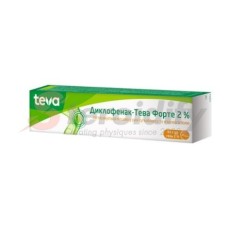
Diclofenac is a widely used non-steroidal anti-inflammatory drug (NSAID) that plays a vital role in pain management and inflammation reduction. This category includes various formulations such as oral tablets, topical gels, and injectable forms, catering to diverse therapeutic needs. These options make diclofenac a flexible choice for both healthcare providers and patients, addressing conditions such as arthritis, muscle pain, and sports injuries. Its significant advantages lie in its efficacy to deliver fast relief from pain and swelling, making it an essential component in pain management protocols.
In the market, diclofenac is recognized for its relatively quick onset of action compared to other NSAIDs, providing patients with timely alleviation of discomfort. This product group is instrumental in both acute and chronic pain treatment, positioning diclofenac as a mainstay in the pharmaceutical landscape. Given its long-standing use, it has developed a robust profile, trusted by both healthcare professionals and millions of patients nationwide.
Positive pharmacological properties
The pharmacological profile of diclofenac is characterized by its potent anti-inflammatory, analgesic, and antipyretic properties. These effects are primarily attributed to diclofenac’s ability to inhibit cyclooxygenase (COX) enzymes, which play a crucial role in the production of prostaglandins — compounds involved in inflammation and pain perception. By reducing the synthesis of these compounds, diclofenac helps mitigate pain and swelling effectively.
However, it is essential to consider specific contraindications and the demographics that may not safely use diclofenac. The following groups should exercise caution or avoid use altogether:
- Pregnant women, especially during the third trimester, as it may affect fetal development.
- Individuals with a history of gastrointestinal bleeding or ulcers, as NSAIDs can exacerbate these conditions.
- Patients with severe liver or kidney dysfunction, given the potential for worsened organ function.
- Children under the age of 18, unless prescribed by a pediatric specialist, due to limited safety profiles in this age group.
- Those with known hypersensitivity to diclofenac or other NSAIDs, as this can lead to severe allergic reactions.
Active substance of Diclofenac
The active substance in diclofenac formulations is diclofenac sodium, which is derived from phenylacetic acid. Recent technological advancements and developments in the formulation and delivery methods of diclofenac aim to enhance its efficacy while minimizing side effects. Innovations such as extended-release tablets and topical applications have emerged to provide sustained relief, thereby improving patient compliance and satisfaction.
Current trends within this product segment also emphasize research into new formulations designed for specific conditions, such as localized pain management through topical diclofenac gels. This emerging technology assists in reducing systemic exposure and potential adverse effects, making treatment safer for certain patient populations. The ongoing study into complementary therapies and adjunctive use with diclofenac also highlights evolving practices within the field of pain management.
Who is not recommended to use these products
When considering the use of diclofenac, several safety considerations should be highlighted. Responsible use requires awareness of potential limitations and the importance of consulting healthcare providers, especially for individuals with the following conditions:
- Individuals with a history of cardiovascular diseases, as NSAIDs can increase the risk of heart attack or stroke.
- Those with pre-existing renal conditions, given diclofenac's effects on kidney function.
- Patients suffering from asthma, as NSAIDs may provoke asthma attacks in sensitive individuals.
- Individuals who are currently taking anticoagulant medications, due to the potential for increased bleeding risk.
- Those who have previously experienced gastrointestinal issues related to NSAID use, such as dyspepsia or GERD.
Where to purchase Diclofenac in the USA
Diclofenac occupies a significant niche in the pain management market in the United States, thanks to its broad efficacy and established reputation. It can be acquired at various points of sale, including pharmacies, both chain and independent, as well as online platforms and authorized medical supply stores. Patients can request diclofenac through a prescription or purchase over-the-counter formulations, depending on their needs and local regulations.
Understanding the value of diclofenac is paramount for users who seek effective pain relief. Its well-documented effectiveness makes it a preferred choice among healthcare providers. As this product segment continues to evolve through technological advancements and research, diclofenac remains a key player in the ongoing pursuit of optimal pain management solutions within the United States healthcare system.