


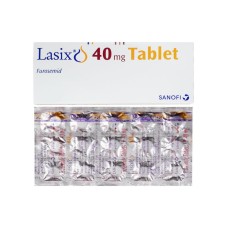

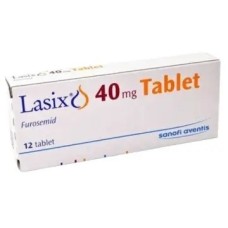


Furosemid: An Overview of Its Purpose and Use
Furosemid is a potent diuretic medication widely utilized in the clinical setting, primarily to manage conditions related to fluid retention, also known as edema. This category of medication is crucial for individuals suffering from congestive heart failure, liver disease, or kidney disorders. By promoting the excretion of excess fluid through urine, Furosemid helps alleviate symptoms like swelling and shortness of breath, ultimately enhancing the quality of life for patients.
The mechanism of Furosemid involves inhibiting sodium and chloride reabsorption in the kidneys, specifically at the loop of Henle. This action leads to increased urine output, effectively reducing blood volume and mitigating hypertension. As a highly effective agent in managing fluid overload, Furosemid plays a significant role in both acute and chronic treatment plans, guided by healthcare professionals based on individual patient needs.
User Contexts: Who Benefits from Furosemid?
Furosemid is predominantly prescribed for patients with a variety of medical conditions that necessitate the removal of excess fluid from the body. Common users include individuals diagnosed with heart failure, where it alleviates symptoms by reducing the volume of fluid that the heart has to pump. Additionally, those with cirrhosis of the liver may find relief, as Furosemid assists in managing ascites, a condition characterized by fluid accumulation in the abdominal cavity.
This medication is also found in acute settings, such as in hospitals, where physicians may administer it to patients experiencing sudden fluid overload. Moreover, those undergoing dialysis treatments may utilize Furosemid to enhance the removal of excess fluid between sessions. It is also important in the management of certain kidney diseases, where fluid balance becomes critical. Overall, the category targets diverse patient populations, each requiring tailored approaches for effective clinical outcomes.
Strengths and Distinguishing Characteristics of Furosemid
Furosemid stands out in the diuretic category due to several unique strengths that enhance its effectiveness in treatment protocols. First and foremost, it is classified as a loop diuretic, which allows for rapid action and significant diuresis. This rapid onset makes it particularly beneficial in acute medical situations where immediate fluid reduction is necessary.
In comparison to other diuretics, such as thiazides, Furosemid has a much stronger diuretic effect, making it the preferred choice in cases of severe edema. Additionally, Furosemid is highly effective even in patients with compromised kidney function, whereas some other diuretics may exhibit decreased efficacy under similar circumstances. The versatility of Furosemid, combined with its quick action, allows for adjustments in dosages to achieve individual therapeutic goals effectively.
Key Benefits of Furosemid
- Effective fluid reduction: Helps manage symptoms associated with fluid overload by promoting rapid diuresis.
- Rapid onset of action: Provides quick relief in acute settings, making it ideal for hospital patients.
- High efficacy in renal impairment: Works well even in patients with reduced kidney function where other diuretics may fail.
- Multiple therapeutic applications: Useful in managing a variety of conditions, including heart failure, liver disease, and kidney disorders.
- Adaptable dosing: Allows healthcare providers to tailor treatments based on the severity of the patient's condition.
The benefits of Furosemid make it an essential component in the management of conditions requiring fluid regulation, significantly enhancing patient outcomes.
Important Considerations Before Choosing Furosemid
Before initiating treatment with Furosemid, it is vital to consider several important factors to ensure patient safety and optimal outcomes. First, contraindications include specific conditions such as anuria (the absence of urine production) and electrolyte imbalances like hypokalemia, as Furosemid may exacerbate these issues. Healthcare providers must evaluate a patient’s complete medical history, including any existing renal or liver complications, which could influence the medication's effectiveness.
Additionally, patients should be monitored for potential side effects, including dehydration or electrolyte disturbances, which may arise during treatment. Adjustments to dosage or additional supplementation may be necessary to mitigate these risks. It is also essential for patients to communicate any other medications they are taking, as interactions could alter Furosemid's efficacy or increase the likelihood of adverse effects. With thoughtful consideration and appropriate oversight, Furosemid can be successfully integrated into a comprehensive care plan for individuals requiring diuretic therapy.