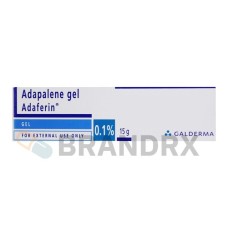


Characteristics of Adapalene and its key properties
Adapalene is a topical retinoid that is primarily used for the treatment of acne. It belongs to a class of compounds known as synthetic retinoids, which are derivatives of vitamin A. Adapalene is known for its ability to modulate skin cell growth and differentiation, making it effective in preventing the formation of acne lesions. One of its key properties is its anti-inflammatory action, which helps reduce redness and swelling associated with acne outbreaks. Additionally, Adapalene promotes the turnover of skin cells and helps keep pores clear, thereby reducing the likelihood of clogged pores that can lead to acne development.
This medication can be used by a wide range of individuals struggling with acne, offering users a reliable solution to a common skin condition. The primary functional features of Adapalene include its effectiveness in treating mild to moderate acne, its tolerability in diverse skin types, and its formulation in various delivery systems, enhancing its absorption and efficacy.
Method of use and dosage
When using Adapalene, it is crucial to follow specific guidelines to achieve the best results. Typically, Adapalene is applied once daily in the evening or as directed by a healthcare professional. Users should wash their hands and clean the affected area before applying a thin layer of the product. It is essential to allow the medication to fully absorb before applying other skincare products or makeup.
Before starting treatment with Adapalene, consulting a qualified doctor or specialist is strongly recommended. They can provide personalized advice based on individual skin conditions and overall health. Certain groups may be unsuitable for this treatment, including pregnant women, minors, and individuals with specific medical conditions such as eczema or skin sensitivities. Therefore, it’s essential to discuss any existing health issues with a healthcare provider to ensure the safe use of Adapalene.
Forms and types of Adapalene release
Adapalene is available in various forms to cater to different user preferences and skin types. The most common formulations include topical gels, creams, and lotions. Each form has unique benefits tailored to different skin concerns and sensitivities. For instance, gel formulations are typically recommended for oily skin, while creams may be more suitable for dry or sensitive skin types.
- Effective treatment for mild to moderate acne.
- Helps to reduce inflammation and redness.
- Suitable for long-term use without the risk of developing resistance.
- Promotes healthy skin cell turnover, preventing clogged pores.
- Can be combined with other acne treatments for enhanced efficacy.
These benefits make Adapalene particularly suitable for teens and adults seeking an effective solution for acne management. Its versatility enables it to cater to various skin types while addressing the specific needs of each user.
How to choose a quality product
Choosing a quality Adapalene product involves considering several key factors. First, users should look for products that contain the appropriate concentration of Adapalene, typically ranging from 0.1% to 0.3%. It is also important to check for certifications from dermatological associations, ensuring that the product meets safety and efficacy standards. Additionally, consumers should consider the formulation type—gels might be better for oily skin, while creams could benefit dry skin.
Furthermore, reviewing ingredient lists is crucial to avoid potential allergens or irritants that may exacerbate skin issues. It is also wise to seek out products from reputable retailers or pharmacies that prioritize quality and authenticity. Safety considerations extend to utilizing these products according to the guidelines provided by healthcare professionals to ensure responsible use.
Where to purchase Adapalene in the USA
Adapalene can be conveniently purchased in the USA through various channels, including pharmacies, online retailers, and direct from dermatological practices. When considering where to buy, factors such as cost, availability, and shipping options can significantly influence the purchasing experience. Many pharmacies offer competitive pricing, and some may provide consultations to help users select the best formulation for their needs.
Online platforms have made it easier than ever to obtain Adapalene from the comfort of home, often offering home delivery services. This convenience allows users to maintain their acne treatment regimen without the hassle of in-store shopping. Ultimately, the wide availability of Adapalene ensures that it is accessible for those who need it, providing valuable support in managing acne effectively.
Possible side effects and ways to minimize them
As with any medication, Adapalene may cause side effects. Commonly reported reactions include skin dryness, peeling, redness, and mild irritation, particularly during the initial weeks of treatment. To minimize these effects, users should start with a lower frequency of application and gradually increase usage as tolerated. Additionally, applying a moisturizer can help alleviate dryness and protect sensitive skin.
It is also advisable to avoid using Adapalene in conjunction with other potent topical treatments, as this can increase irritation. Patients should be cautious with sun exposure, as retinoids can increase skin sensitivity to ultraviolet rays. Using sunscreen daily is important to protect the skin. Monitoring for any adverse reactions and maintaining open communication with a healthcare provider can enhance the safety and effectiveness of using Adapalene.