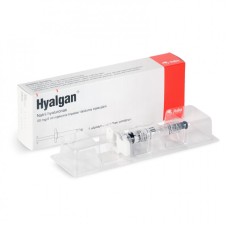

Introducing the Sodium Hyaluronate Category and Its Role for Users
Sodium hyaluronate is a naturally occurring substance in the human body, particularly abundant in connective tissues, skin, and synovial fluid. This powerful compound has gained prominence in various industries, especially in skincare and medical applications. As the sodium salt of hyaluronic acid, sodium hyaluronate is used primarily for its ability to retain moisture, promote skin elasticity, and improve overall hydration. Users turn to products containing sodium hyaluronate for its astonishing ability to bind water—holding up to 1000 times its weight. This trait makes it a crucial ingredient in numerous beauty products, joint injections, and eye care solutions.
How Products in This Category Generally Work
Products that feature sodium hyaluronate typically share a common mechanism of action rooted in hydration. In skincare formulations, sodium hyaluronate acts as a humectant, attracting moisture from the environment and deeper skin layers to the surface. This leads to plumper, more hydrated skin that appears radiant and healthy. In medical applications, such as joint injections for osteoarthritis, sodium hyaluronate serves as a lubricant, cushioning the joints and reducing friction during movement. Its ability to form a gel-like consistency allows it to modify the viscoelastic properties of fluids, providing essential moisture and support where needed.
Many of these products are designed to work synergistically with other ingredients. For instance, in skincare, sodium hyaluronate is often paired with antioxidants, vitamins, and peptides to enhance its natural benefits. Whether it is in serums, creams, topical gels, or injectable forms, the core principle remains consistent: harnessing the immense hydrating power of sodium hyaluronate to achieve better skin health and joint function.
Describe the Main Benefits of Sodium Hyaluronate
The advantages of incorporating sodium hyaluronate into one’s routine are substantial and can benefit various aspects of health and wellbeing. The following list outlines the core benefits:
- Intense hydration: Helps keep skin moisturized and plump.
- Improved skin elasticity: Enhances the skin's firmness and reduces the appearance of wrinkles.
- Wound healing support: Promotes quicker recovery for skin lesions and abrasions.
- Joint relief: Acts as a lubricant in joints, alleviating discomfort and improving mobility.
- Compatibility: Well-tolerated by most skin types, including sensitive skin.
With these benefits, sodium hyaluronate has become a staple in modern skincare and medical treatments, appealing to consumers seeking effective solutions for hydration and joint health.
Safety Considerations: Who Should Avoid Products from This Category
While sodium hyaluronate is generally considered safe for most users, there are specific considerations to keep in mind. Individuals with hypersensitivity to hyaluronic acid or sodium hyaluronate should avoid these products, as they may trigger allergic reactions. Pregnant or breastfeeding women should consult a healthcare professional before using injectable forms, as the effects are not fully understood in these populations.
Additionally, those with pre-existing skin conditions, such as eczema or severe acne, should exercise caution and consult a dermatologist to ensure that sodium hyaluronate is suitable for their skincare routine. Lastly, it is always advisable to conduct a patch test before introducing any new skincare product, particularly for individuals with sensitive skin or known allergies.
Overall, sodium hyaluronate offers a myriad of benefits for hydration and health, making it a prized ingredient across various applications. However, understanding the safety considerations and consulting professionals when necessary can help ensure optimal results and avoid potential adverse effects.