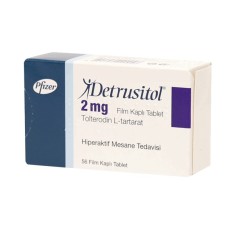

Understanding the Purpose of Tolterodine
Many individuals seeking treatment for overactive bladder symptoms often turn to Tolterodine as a solution. The primary goals of users include reducing the frequency of urination, alleviating urgency, and ultimately enhancing their overall quality of life. For those living with overactive bladder, these symptoms can significantly hinder daily activities and social interactions. However, common misunderstandings surrounding the use of Tolterodine may lead to less than optimal outcomes. Users may assume that the medication provides instant relief or may expect it to work uniformly for everyone, disregarding the fact that individual experiences can vary significantly. It is essential to approach the use of Tolterodine with realistic expectations and an understanding of its intended effects.
The Mechanism of Action and Internal Functioning
Tolterodine operates as an antimuscarinic agent, primarily targeting the bladder's muscarinic receptors. By binding to these receptors, Tolterodine effectively reduces the involuntary contractions of the bladder, leading to lesser urgency and frequency of urination. Internally, the drug inhibits the neurotransmitter acetylcholine from binding to its receptors, resulting in relaxation of the bladder muscle and enhanced bladder capacity. Several internal parameters come into play when considering this medication, including individual metabolic rates, prevalence of other medical conditions, and concurrent medications. This multifaceted interaction underscores the importance of personalized healthcare approaches and highlights why some patients may observe varying levels of effectiveness with Tolterodine treatment.
Comparison with Alternative Treatments
While Tolterodine serves as a primary medication for managing overactive bladder, it is important to recognize its relationship with adjacent categories of treatment. Antidepressants and beta-3 adrenergic agonists are examples of alternative therapies that may also address similar symptoms. Antidepressants may help manage bladder discomfort by modulating nerve signals, while beta-3 adrenergic agonists target different receptors to promote bladder relaxation. The selection among these treatments largely depends on the individual's medical history, the specific nature of their symptoms, and their overall health profile. Furthermore, lifestyle modifications such as fluid management, pelvic floor exercises, and avoiding bladder irritants may complement any medicinal approach, which speaks to the holistic nature of addressing overactive bladder symptoms.
Recognizing Limitations and Professional Guidance
Despite its efficacy, there are inherent limitations associated with Tolterodine that potential users must consider. The medication may not be suitable for everyone; contraindications include individuals with narrow-angle glaucoma, urinary retention issues, or certain types of gastrointestinal obstruction. Moreover, the potential for adverse effects, such as dry mouth, constipation, and dizziness, should not be overlooked. Medical consultation is paramount prior to commencing treatment, ensuring that Tolterodine aligns with the individual’s health goals as well as existing health conditions. A healthcare professional can assess whether the medication is suitable based on a comprehensive evaluation of the patient’s medical history and current medication regimen.
Navigating the Category of Tolterodine and Related Options
Navigating the world of Tolterodine and similar treatment options can initially feel overwhelming for patients seeking relief from overactive bladder symptoms. However, a structured approach can simplify this exploration. First and foremost, users should become familiar with the medication's purpose, dosage options, and any relevant patient resources. Additionally, examining supportive lifestyle changes and adjunct therapies can enhance the effectiveness of Tolterodine in managing their symptoms. Users are encouraged to leverage professional advice to inform their choices, ensuring that all potential factors are considered. Through this thoughtful navigation of available treatments, patients can take confident steps towards improving their bladder health and overall well-being.