
What Unites All Products in the Bisoprolol Category
Bisoprolol is a selective beta-blocker that plays a crucial role in managing cardiovascular conditions. The products within the Bisoprolol category are primarily used to treat hypertension (high blood pressure) and heart-related ailments such as heart failure and angina. The common thread among these products is their ability to block the action of epinephrine on beta-adrenergic receptors, which results in a decrease in heart rate and cardiac output, ultimately leading to lower blood pressure and reduced strain on the heart.
Key characteristics of Bisoprolol products include their dosage precision, efficacy in heart rate management, and safety profile when used correctly under medical supervision. The efficacy of these products is widely supported by clinical studies, making them a recognized choice in cardiology. Additionally, because they are primarily metabolized by the liver and excreted through the kidneys, understanding individual patient health is vital for proper use. Patients often find that incorporating Bisoprolol into their treatment regimen leads to significant improvements in overall heart health and daily functionality.
Main Types and Formats of Products in This Category
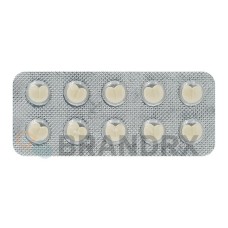
Products in the Bisoprolol category typically come in tablet form, with various strengths available to cater to different patient needs. The most common dosages include 2.5 mg, 5 mg, and 10 mg tablets, allowing physicians the flexibility to prescribe a suitable regimen based on the severity of the condition and the patient's response to treatment.
In addition to standard tablets, some formulations may offer extended-release options, designed for patients who benefit from a sustained release of the medication throughout the day. This format can improve compliance and convenience, particularly for those managing chronic conditions that require consistent medication levels in the body. It's essential for patients and healthcare providers to assess which form is most appropriate for achieving optimal therapeutic outcomes.
Key Differences Between This Category and Other Related Categories
When compared to other beta-blockers or antihypertensive medications, Bisoprolol stands out due to its high selectivity for beta-1 adrenergic receptors, primarily located in the heart. Many other beta-blockers are less selective and may affect beta-2 receptors, which can lead to unwanted side effects like bronchoconstriction in susceptible individuals, such as those with asthma.
Users should specifically consider Bisoprolol for its favorable side effect profile, especially for those who may have pre-existing respiratory conditions or are more sensitive to non-selective beta-blockade. Furthermore, Bisoprolol has a longer half-life compared to many of its counterparts, allowing for once-daily dosing which can enhance adherence to the treatment regimen. For patients seeking effective management of hypertension or heart failure, Bisoprolol often proves to be a more suitable choice than other related medications.
Long-Term Effects and Considerations
The long-term use of Bisoprolol can result in significant enhancements in heart function, quality of life, and a noticeable reduction in the risk of cardiovascular events. Many patients using Bisoprolol report better tolerance to physical activity, fewer episodes of angina, and improved overall well-being as their cardiovascular health stabilizes.
However, it is essential to be aware of certain contraindications. Bisoprolol may not be recommended for pregnant or lactating women without a doctor's supervision, as its safety in pregnancy has not been established. It is generally contraindicated in patients with severe bradycardia, heart block (except in the presence of a functioning pacemaker), and certain types of heart failure. Those with specific medical conditions, such as uncontrolled asthma or certain types of diabetes, should discuss the risks and benefits with their healthcare provider, ensuring that Bisoprolol is the right fit for their health needs.
Practical Advice for Choosing and Using Products from the Bisoprolol Category
Choosing the right Bisoprolol product involves consultation with a healthcare provider to assess individual health status and medication history. It is crucial to follow prescribed dosages and discuss any changes in health, as adjustments in medication may be necessary depending on how your body responds to treatment.
When starting Bisoprolol, begin with the dosage prescribed by your doctor, and ensure that you take it consistently at the same time each day. Monitor your blood pressure and heart rate regularly, as directed by your healthcare professional. It’s equally important to maintain regular follow-ups to evaluate treatment efficacy and safety. Additionally, be aware of any potential side effects, including dizziness or fatigue, and report these to your healthcare provider promptly.
Finally, make lifestyle changes that support heart health, such as a balanced diet, regular physical activity, and stress management strategies. By integrating Bisoprolol into a comprehensive heart-health plan, patients can maximize their benefits while minimizing risks, leading to improved cardiovascular health and overall quality of life.