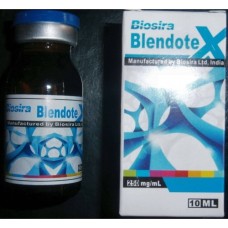

Bendamustine: Common Features and Mechanisms
The Bendamustine category encompasses a range of pharmaceutical products primarily used in the treatment of certain types of cancer and hematologic malignancies. These products share a common mechanism of action, which involves the disruption of DNA synthesis in cancer cells. Bendamustine functions as a bifunctional alkylating agent, meaning that it can form cross-links between DNA strands, hindering the cancer cells' ability to replicate and ultimately leading to their death. This characteristic is vital in combating rapidly dividing cancerous cells while sparing normal cells to a certain extent.
Another central feature of all Bendamustine products is their dual action: not only do they act as alkylators, but they also exhibit some features of antimetabolites. This dual action increases their effectiveness against various tumor types. As a result, the Bendamustine category is particularly effective in treating specific hematologic cancers like chronic lymphocytic leukemia (CLL) and some forms of non-Hodgkin lymphoma. Patients and healthcare providers appreciate the versatility and relative tolerability of Bendamustine treatments, making it a preferred choice in many oncology settings.
Types and Forms of Products
Products in the Bendamustine category are predominantly available in two main forms: intravenous (IV) formulations and oral tablets. The IV formulations of Bendamustine are typically administered in a clinical setting, allowing for direct bloodstream delivery, which can lead to rapid therapeutic effects. This method is often preferred for patients who require immediate intervention and where close monitoring is necessary.
On the other hand, oral tablets offer greater convenience and flexibility, enabling patients to manage their treatment regimen at home. This form can be particularly beneficial for patients who have stable conditions and may not require continuous supervision. These various forms ensure that Bendamustine can meet the diverse needs of patients, depending on their specific circumstances and treatment goals.
Why Choose Bendamustine Over Other Treatments?
Bendamustine distinguishes itself from other cancer treatment options primarily through its unique mechanism of action and its ability to treat certain malignancies where other therapies may fall short. Unlike conventional alkylating agents, Bendamustine has shown effectiveness in tumors that are otherwise resistant to standard therapies. Its dual-function role allows for a more comprehensive attack on cancer cells, making it an ideal option for difficult-to-treat cancers.
Moreover, clinical studies demonstrate that patients often tolerate Bendamustine better than many alternative options. While all chemotherapy carries the risk of side effects, data indicate that the adverse effects associated with Bendamustine, such as myelosuppression and hypersensitivity reactions, may be less severe for some patients compared to traditional chemotherapeutic agents. This can lead to better compliance and ultimately more successful treatment outcomes. Patients and healthcare providers should actively discuss the specific benefits of Bendamustine in relation to other treatment options during consultations.
Long-Term Effects and Contraindications
When considering the long-term effects of using Bendamustine, many patients experience favorable outcomes, particularly in terms of disease control and remission. However, it is essential to recognize that long-term use of any chemotherapy agent, including Bendamustine, carries potential risks. Extended exposure may result in late-onset side effects, including secondary malignancies and organ toxicity, depending on the individual’s health and other concurrent therapies.
Certain populations should avoid using Bendamustine. It is contraindicated for pregnant women due to potential harm to the fetus and should not be used in children or individuals with certain health conditions, such as those with severe liver impairment or significant renal issues. Patients should always consult with their healthcare provider to determine their suitability for Bendamustine and consider alternative therapies if necessary.
Practical Advice for Choosing and Using Bendamustine
Choosing Bendamustine as a treatment option involves careful consideration and consultation with a qualified oncologist. Patients should discuss their complete medical history, current medications, and overall health status to determine if Bendamustine is appropriate for their specific type of cancer. Understanding the treatment protocol, potential side effects, and necessary monitoring can make a significant difference in treatment success.
When starting on Bendamustine, adherence to the prescribed regimen is crucial. Patients should keep a detailed record of their doses and communicate any side effects experienced during treatment with their healthcare provider. Regular check-ups and blood tests are essential for monitoring health status and determining how the body is responding to the medication. This proactive approach can enhance the treatment experience and optimize outcomes for individuals undergoing therapy with products from the Bendamustine category.