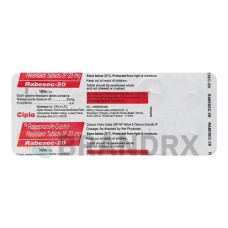

Understanding the Rabeprazole Product Category
The Rabeprazole product category encompasses a range of medications primarily used to manage conditions related to excessive stomach acid production, such as gastroesophageal reflux disease (GERD) and peptic ulcers. These products share a common mechanism of action—specifically, they belong to a class of drugs known as proton pump inhibitors (PPIs). Rabeprazole acts by irreversibly inhibiting the hydrogen-potassium ATPase enzyme system of the gastric parietal cells, effectively reducing gastric acid secretion.
These medications are known for their efficacy and rapid onset of action, providing relief from heartburn and indigestion within a short period of time. Rabeprazole products are designed with a variety of formulations to cater to diverse patient needs, enhancing both accessibility and user experience. A key characteristic shared among all products in this category is their ability to provide a significant reduction in acid production, thereby promoting healing of the esophagus and stomach lining damaged by acid reflux or ulcers.
Available Types and Forms of Products
Rabeprazole products are available in several forms to accommodate different patient preferences and requirements. The most common forms include delayed-release tablets and oral suspension. Delayed-release tablets are designed to dissolve in the intestine rather than the stomach, which aids in the medication's effectiveness and minimizes potential side effects. This format allows for once-daily dosing, making it more convenient for patients.
In addition to tablets, oral suspension forms are particularly beneficial for patients who have difficulty swallowing pills, such as children or the elderly. This variety ensures that patients can find a suitable option that fits their lifestyle and medical needs, thereby improving adherence to treatment. Some providers may also offer Rabeprazole compounded formulations to tailor drug strength and dosage for individual patients.
Key Differences and Considerations for Choosing Rabeprazole
Rabeprazole stands out from other proton pump inhibitors and acid-reducing medications due to its unique chemical structure and pharmacological Properties. While other PPIs like omeprazole and esomeprazole also suppress stomach acid, Rabeprazole is often noted for its rapid action and shorter half-life, which can be advantageous in certain clinical scenarios. As it works swiftly to alleviate symptoms, it may be more suitable for patients requiring immediate relief from acute episodes of heartburn or discomfort.
Furthermore, Rabeprazole has been shown to be effective for a broad range of acid-related conditions, making it a versatile option in therapeutic protocols. Patients with certain risk factors or comorbid conditions must consider these differences when choosing a treatment plan. Consulting a healthcare provider about specific symptoms and conditions will help in determining if Rabeprazole meets individual medical needs effectively.
Long-Term Effects and Considerations for Use
Long-term use of Rabeprazole and similar medications can lead to significant benefits, including the complete healing of esophageal lesions and the sustained relief of GERD symptoms. However, it is crucial to be aware of potential adverse effects associated with prolonged use. Studies have indicated that long-term PPI use may lead to malabsorption of certain nutrients, including magnesium and vitamin B12, increasing the risk for deficiencies. Additionally, patients may experience a heightened risk of gastrointestinal infections or kidney-related issues.
There are specific contraindications to using Rabeprazole, including pregnancy, where the safety of the fetus should be a priority. Minors, particularly infants and children, should only use this medication under strict supervision from a healthcare provider to determine appropriate dosage and potential side effects. Individuals with certain medical conditions, such as liver disease or a history of hypersensitivity to PPIs, should also exercise caution when considering this treatment.
Practical Advice for Choosing and Using Rabeprazole Products
When selecting products from the Rabeprazole category, it is essential to consult with a healthcare professional to determine the most appropriate formulation and dose tailored to individual health needs. Patients should be aware of the importance of taking Rabeprazole as directed—typically once daily, before a meal, to maximize absorption and effectiveness.
To initiate treatment, patients should maintain open communication with their healthcare provider about their symptoms, as well as any other medications or supplements being taken. This comprehensive view will help prevent potential drug interactions and enable the healthcare provider to monitor any side effects accurately. Additionally, it is advisable for patients to regularly assess their symptoms and report any changes or concerns to their healthcare team to ensure that the chosen therapy remains effective over time.
By staying informed and actively participating in their treatment decisions, patients can effectively manage their acid-related conditions and improve their overall quality of life while using Rabeprazole products.