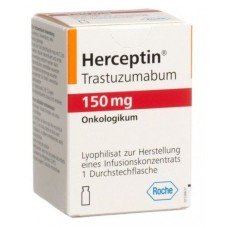
Understanding Trastuzumab and Common Misconceptions
When it comes to cancer treatment, many patients are eager to understand their options, especially when dealing with aggressive forms of the disease. Trastuzumab is a medication that has gained significant attention in the realm of breast cancer treatment, particularly for patients with HER2-positive breast cancer. However, despite its prominence, there are common misunderstandings surrounding its use, effectiveness, and potential side effects. Patients often seek clarity on whether Trastuzumab is the right choice for their treatment plan and how it might interact with other medications they are taking. Many individuals may harbor misconceptions that Trastuzumab is a cure-all solution, overlooking the complexities of cancer therapies and the importance of personalized treatment plans.
It is crucial for patients to realize that while Trastuzumab can be highly effective for certain types of cancer, its application is not universal. There can also be confusion regarding treatment duration and what to expect during the administration of the drug. Many patients may fear the prospect of side effects without fully understanding the risk-to-benefit ratio of the medication. Engaging in open conversations with healthcare providers can help alleviate these concerns and provide patients with the insights they need to make informed decisions regarding their treatment journey.
How Trastuzumab Functions in Cancer Treatment
To appreciate the significance of Trastuzumab in cancer therapies, it is essential to understand how this drug works. Trastuzumab is a monoclonal antibody that specifically targets the HER2 protein, which, when overexpressed, can lead to aggressive tumor growth. By binding to the HER2 receptors on cancer cells, Trastuzumab inhibits their growth and proliferation, and consequently can slow down disease progression. This targeted approach sets Trastuzumab apart from traditional chemotherapies, which often affect both cancerous and healthy cells.
The effectiveness of Trastuzumab is influenced by various parameters, including the specific characteristics of the tumor, patient health status, and concomitant treatments. For instance, the presence of HER2 gene amplification in the tumor is a critical factor for the drug's efficacy. Additionally, treatment regimens may involve combining Trastuzumab with other therapies, creating a multi-faceted approach to combatting cancer. Understanding how these variables interact is vital for optimizing treatment outcomes and providing a comprehensive care experience for the patient.
Comparing Trastuzumab to Related Oncological Therapies
When examining the role of Trastuzumab within the broader context of oncology, it is instrumental to consider its relationship with other therapeutic categories, such as traditional chemotherapy and hormonal therapies. Unlike chemotherapy, which broadly targets fast-dividing cells, Trastuzumab’s specificity for HER2-positive tumors provides a more tailored treatment option with potentially fewer systemic side effects. This specificity helps to refine treatment protocols, allowing oncologists to devise strategies that maximize the benefits while minimizing adverse reactions.
Hormonal therapies, on the other hand, utilize entirely different mechanisms to manage cancers that involve hormone receptors. While hormonal therapy is effective in certain types of breast cancer, it is not applicable to HER2-positive cases. Patients must be accurately categorized into their respective treatment groups based on tumor markers and individual health assessments to ensure they receive the most appropriate and effective care.
Additionally, the advent of targeted therapies like Trastuzumab has prompted discussions around the importance of personalized medicine in cancer treatment. This shift toward individualized care underscores the significance of genetic profiling and biomarker testing in developing effective treatment plans that address the unique characteristics of each patient’s cancer.
Considerations Limitations and the Role of Health Professionals
It is imperative for patients considering Trastuzumab to understand the potential limitations and contraindications associated with its use. For instance, not all breast cancers are HER2-positive, and administering Trastuzumab in such cases could yield no benefit while exposing patients to unnecessary side effects. Furthermore, certain pre-existing health conditions may preclude patients from being eligible for this treatment.
Regular monitoring for adverse reactions during therapy is also essential, as some patients may experience issues like heart-related complications or infusion reactions. The availability of professional consultation is paramount to navigating these concerns and tailoring treatment strategies to ensure safety and effectiveness. Engaging with oncologists or clinical pharmacists can provide patients valuable insights into the potential interactions of Trastuzumab with other medications and supplements, ensuring safe and coherent treatment approaches.
Navigating the World of Trastuzumab Treatments
As patients explore their options regarding Trastuzumab and its applications, navigating this category can seem overwhelming due to the wealth of information available. It may be beneficial for individuals to start by familiarizing themselves with the key concepts surrounding HER2-positive breast cancer and the role of targeted therapies in treatment. Understanding clinical guidelines, treatment protocols, and emerging research can empower patients to have informed discussions with their healthcare providers.
Additionally, many resources are available that outline the treatment journey associated with Trastuzumab, providing patients with insights on what they may experience throughout the process. It is also advisable for patients to access support communities where they can share experiences and gain information from others who are undergoing similar treatments. Ultimately, knowledge and support are crucial components for anyone considering or currently receiving Trastuzumab as part of their cancer therapy, inspiring confidence as they navigate their healthcare journey.