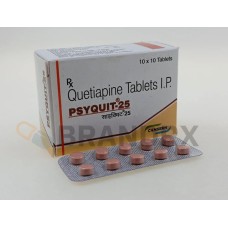





Understanding Quetiapine: A Comprehensive Overview
The Quetiapine product category covers a selection of medications that primarily belong to the class of atypical antipsychotics. These products share common characteristics in their mechanism of action, aimed primarily at modulating neurotransmitter activity in the brain. The main function of Quetiapine is to stabilize mood and manage symptoms associated with mental health disorders such as schizophrenia, bipolar disorder, and major depressive disorder. Known for its efficacy in offering rapid relief from acute episodes and for its potential in long-term treatment regimens, Quetiapine operates primarily by targeting serotonin and dopamine receptors, which are pivotal in regulating mood and thought processes.
Across the range of products in this category, patients can expect certain key characteristics, such as a favorable side-effect profile compared to older antipsychotic medications, a swift onset of action, and flexible dosing options. These features contribute to the overall therapeutic effectiveness, making Quetiapine a preferred choice for many healthcare providers when treating various psychiatric conditions. The safety and efficacy data supporting the use of Quetiapine bolster its status as a reliable option in contemporary mental health treatment.
Forms and Formats of Available Products
Products within the Quetiapine category are available primarily in oral tablet and extended-release formulations. The standard tablets are typically administered two to three times a day, offering flexibility tailored to individual patient needs regarding dosing frequency. In contrast, the extended-release version allows for once-daily dosing, which can enhance adherence, especially for those who may struggle with multiple daily medications.
These medications also come in various strengths to accommodate different treatment regimens and individual tolerances. This variety empowers healthcare providers to customize treatment plans based on patients' specific conditions, preferences, and response to therapy. Accessibility in different forms and strengths makes Quetiapine a versatile choice, catering to a diverse range of patients and clinical scenarios.
Quetiapine in Comparison with Related Categories
Understanding the key differences between Quetiapine and other related medication categories is crucial for informed decision-making. While traditional antipsychotics can be effective, they often come with a heavier side effect burden, particularly in terms of extrapyramidal symptoms, which affect movement and muscle control. Quetiapine, as an atypical antipsychotic, has a significantly lower incidence of these side effects, making it a safer alternative for many patients.
Moreover, Quetiapine’s dual-action of treating mood symptoms alongside psychotic symptoms distinguishes it from similar medications that may target one or the other. Beyond just mood stabilization, Quetiapine has shown efficacy in reducing anxiety and sleeplessness, which are frequently co-occurring conditions in mental health disorders. Thus, for those seeking a comprehensive approach to mental well-being, Quetiapine presents a compelling option compared to other categories.
Users should specifically consider Quetiapine for its mood-stabilizing properties, reduced likelihood of debilitating side effects, and ability to improve overall quality of life. These factors collectively make Quetiapine a well-rounded choice for individuals managing complex mental health challenges.
Long-term Use and Considerations
The long-term effects of using Quetiapine can vary significantly among individuals but generally include improved mood stability and decreases in the frequency and severity of episodes related to mood disorders. Many patients report an enhanced quality of life due to reduced psychiatric symptoms, facilitating better social functioning and relationships. However, it is important to remain vigilant about potential long-term side effects, such as metabolic syndrome, which may lead to weight gain and an increased risk of diabetes.
Patients should always discuss their comprehensive medical history with healthcare providers, particularly regarding contraindications. For example, pregnant women should approach the use of Quetiapine with caution, as potential risks to the fetus may arise. Similarly, individuals under 18 years old may require special consideration or alternative therapies given the specific developmental risks associated with antipsychotic medications. Patients with existing medical conditions, such as cardiovascular disease or severe liver impairment, are also advised to carefully consider the suitability of Quetiapine.
Practical Advice for Choosing Quetiapine Products
When considering a product from the Quetiapine category, it’s essential to consult with a healthcare provider to ensure the chosen medication fits the individual's unique health profile and treatment objectives. Factors such as the specific diagnosis, the severity of symptoms, previous treatment responses, and potential drug interactions should all be assessed to tailor a personalized treatment plan.
Starting treatment with Quetiapine often begins at a low dose to gauge the individual’s tolerance and response before gradually adjusting as necessary. Patients are encouraged to maintain an open line of communication with their healthcare providers to report any side effects, allowing for timely interventions. Regular monitoring of mood changes, weight, and metabolic health is also beneficial in ensuring treatment remains effective and safe.
In conclusion, the Quetiapine product category offers valuable options for those struggling with mental health disorders. Recognizing common characteristics, available forms, key distinctions from related drugs, long-term implications, and practical usage guidelines can empower patients in navigating their treatment journey effectively and achieve optimal outcomes in mental health management.