

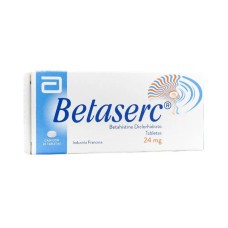

Understanding Betahistine Dihydrochloride: Key Characteristics and Mechanisms
Betahistine dihydrochloride is a medication primarily utilized to alleviate symptoms associated with vestibular disorders, particularly Meniere's disease. The compounds within this category share a common mechanism of action that centers around improving blood flow to the inner ear, thus contributing to reduced vertigo, tinnitus, and hearing loss. These products work by mimicking the action of histamine, which is crucial for regulating blood flow. As a result, users may experience improved inner ear function, leading to greater balance and stability. The formulations are designed to be well-tolerated, with an emphasis on efficacy and safety. Common characteristics include rapid absorption and the potential for quick relief from symptoms, making Betahistine dihydrochloride an appealing option for those suffering from various vestibular conditions.
Available Forms of Betahistine Dihydrochloride Products
Products in the Betahistine dihydrochloride category are primarily available in tablet and oral solution formats. The tablet form is commonly prescribed, allowing for convenient dosing, whereas oral solutions may be suitable for individuals who have difficulty swallowing tablets. Each format typically comes in varying strengths, providing flexibility to accommodate different patient needs and preferences. This variety enables healthcare providers to tailor treatment plans effectively, ensuring that users receive the right dosage for their specific conditions. Overall, the availability of multiple forms enhances accessibility and usability, allowing for a wider audience to benefit from its therapeutic effects.
Why Choose Betahistine Dihydrochloride Over Other Treatments
Betahistine dihydrochloride stands out from other treatments for vestibular disorders due to its unique action of enhancing blood circulation in the inner ear, unlike some alternative medications that may primarily focus on symptomatic relief without addressing underlying blood flow issues. This approach can result in more comprehensive management of symptoms. Furthermore, Betahistine is often well tolerated with a favorable safety profile compared to vestibular suppressants that can cause sedation and other side effects. Additionally, while corticosteroids and other interventions may be effective, they do not offer the same level of focus on inner ear health. Individuals seeking a targeted solution for vertigo and associated symptoms should consider Betahistine dihydrochloride to achieve long-term relief and improve their quality of life.
Long-Term Use and Considerations for Betahistine Dihydrochloride
The long-term use of Betahistine dihydrochloride can lead to sustained improvements in symptoms for many individuals, including reduced frequency and intensity of vertigo episodes. However, it is crucial to consider individual health factors when initiating treatment. Certain groups may not be suitable candidates for Betahistine, including pregnant women, as there is limited research on its effects during pregnancy. Additionally, individuals with a history of peptic ulcers or asthma should consult their healthcare provider before using this medication due to potential contraindications. Prospective users are encouraged to discuss their medical history carefully and take into account their specific health conditions to ensure that Betahistine dihydrochloride is the right choice for them.
Practical Guidance for Selecting and Using Betahistine Dihydrochloride Products
When considering Betahistine dihydrochloride products, it is essential to consult with a healthcare professional to determine the most appropriate form and dosage. Start by discussing your specific symptoms, medical history, and any other medications you may be taking. This will help ensure the best therapeutic outcome while minimizing potential interactions. If prescribed tablets, adhere to the recommended dosage, taking them with food to enhance absorption and reduce gastrointestinal distress. For oral solutions, use the provided measuring device to achieve accurate dosing. Monitor your symptoms regularly and maintain open communication with your healthcare provider to assess the effectiveness of the treatment and make any necessary adjustments. Remember, the goal is to empower yourself with knowledge and comply with the prescribed regimen for optimal results.