

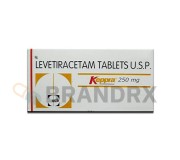
Buy Levetiracetam in the USA
Levetiracetam is a medication primarily used for the treatment of seizures in individuals with epilepsy. It functions by modulating neurotransmitter release and stabilizing electrical activity in the brain, thereby preventing seizure episodes. With various forms available, including tablet and liquid formulations, Levetiracetam offers flexibility and ease of use tailored to patient preferences. This adaptability is one of its key advantages, as it allows for seamless integration into daily routines. Individuals seeking to manage their epilepsy must consider these products for their reliable effectiveness and well-documented clinical results. The unique action of Levetiracetam provides a predictable therapeutic response, crucial for individuals who require consistent seizure control. Whether you are newly diagnosed or seeking an alternative, Levetiracetam is intended for those who require an effective solution for seizure management.
How to structure practical use
To maximize the benefits of Levetiracetam, understanding its pharmacokinetics is essential. The medication has a half-life of approximately 6-8 hours, meaning it is critical to establish a consistent dosing schedule. Typically, healthcare providers recommend splitting the daily dose into two or three administrations to maintain stable blood concentrations of the drug. For example, if the prescribed total daily dose is 1500 mg, taking 750 mg in the morning and 750 mg at night can optimize efficacy. To minimize any gastrointestinal discomfort that may arise from taking the medication, it is advisable to consume it with food. Additionally, maintaining a consistent intake routine is vital; missed doses can lead to fluctuations in drug levels, increasing the risk of seizure reoccurrence.
Duration and working ranges
The standard course of Levetiracetam generally spans 8 to 12 weeks, with adjustments guided by clinical response and tolerability. During this period, users can expect gradual improvements in seizure frequency and intensity. When beginning treatment, it is prudent to start at lower doses and gradually titrate up to the recommended levels based on clinical feedback, which may differ between patients. Those with prior experience using antiepileptic medications might tolerate higher initial doses more effectively. Factors such as concurrent training, sleep quality, and overall nutrition play a significant role in the efficacy of Levetiracetam. Thus, to achieve the best results, individuals should monitor these aspects closely throughout the treatment duration.
State monitoring and expected dynamics
Long-term users of Levetiracetam should be aware of the necessity for ongoing monitoring. Regular laboratory tests are critical to assess safety and ascertain hepatic function, especially during extended use. Key indicators to monitor include liver enzymes, hemoglobin levels, and blood pressure readings. Initial benefits of Levetiracetam may become noticeable within the first 3-4 weeks of treatment, though full therapeutic effects may take longer. To maintain these benefits post-treatment, users are encouraged to engage in a structured post-cycle therapy regimen. This process can help ensure that acquired seizure control is sustained, as abrupt discontinuation may precipitate a return of seizure activity.
Monitoring during intense training
When engaging in intense training while using Levetiracetam, it is crucial to maintain a diligent diary of health indicators. Monitoring for symptoms such as extreme fatigue, irregular heart rhythms, or significant mood changes should remain a priority. These symptoms could signal potential adverse reactions that require clinical evaluation. Maintaining awareness of such indicators helps in the early identification of issues and ensures safety during treatment. A collaborative approach with healthcare professionals is recommended, particularly when combining Levetiracetam with other products, to mitigate risks associated with polypharmacy.
Safety and results when using Levetiracetam
Before initiating therapy with Levetiracetam, individuals should undergo thorough health evaluations to explore potential risks associated with the medication. Certain contraindications must be considered, including existing liver function disorders, heart and vascular diseases, oncological conditions, pregnancy, breastfeeding, age under 21, and any instances of individual intolerance to the drug. To safeguard health, medical examinations such as liver function tests and cardiovascular assessments are recommended prior to starting treatment. Diligent monitoring during the time of use not only helps in managing side effects but also enhances overall therapeutic outcomes. Understanding these precautions is essential for users looking to achieve the best results while minimizing potential health risks.