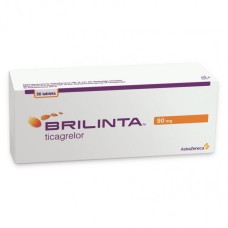

User Goals and Common Misunderstandings about Ticagrelor
Ticagrelor is commonly prescribed to patients dealing with acute coronary syndrome and those who have undergone percutaneous coronary intervention. Users typically seek this medication with the goal of preventing blood clots, reducing the risk of heart attacks, and enhancing overall cardiovascular health. However, there are several misunderstandings surrounding its use and effectiveness. Many individuals believe that once they start taking Ticagrelor, they are completely protected from serious cardiovascular events, which is not entirely accurate. Users must be aware that while Ticagrelor is effective in reducing the risk of clot formation, it does not eliminate the necessity for other lifestyle modifications and medical interventions. Misconceptions also abound regarding the duration of its action and the importance of adhering to prescribed dosages. Patients often underestimate the significance of follow-up appointments and continuous communication with healthcare providers when using Ticagrelor.
The Internal Mechanism and Key Parameters of Ticagrelor
Principles of Comparison with Adjacent Categories
When exploring Ticagrelor, it is important to recognize its role in the broader context of antiplatelet therapy and cardiovascular pharmacology. Ticagrelor belongs to the class of medications known as antiplatelet agents, which are designed to decrease the risk of thrombus formation in patients with coronary artery disease. Compared to other classes of medications such as anticoagulants, which are more focused on preventing blood clot formation within the veins, Ticagrelor specifically targets arterial thrombus related to platelet activation. Unlike anticoagulants, Ticagrelor's mechanism of action revolves around platelet inhibition rather than direct impacts on coagulation pathways. Understanding these principles allows for more nuanced treatment decisions and enhances patient safety through the deliberate choice of medication based on individual patient needs, potential side effects, and clinical guidelines.
Limitations and the Importance of Professional Consultation
While Ticagrelor can be an effective therapeutic option for preventing cardiovascular events, it comes with certain limitations that must be understood. Not all patients are ideal candidates for Ticagrelor; contraindications include those with active bleeding disorders, severe liver impairment, or a history of allergic reactions to the drug. Moreover, its interaction with various medications necessitates careful management. Users must consult healthcare professionals to ensure that Ticagrelor is safe for their individual health circumstances. Moreover, patients may experience side effects such as bleeding complications, dyspnea, and potential gastrointestinal issues. It is crucial to regularly assess the benefits against the risks of using Ticagrelor. Healthcare providers play a vital role in guiding patients through their treatment journey, emphasizing the necessity for ongoing consultations and adjustments based on patient feedback and medical assessments.
Exploring the Ticagrelor Category Page
For those looking to delve deeper into the world of Ticagrelor, this category page serves as a comprehensive resource. It offers information not just on the medication itself, but also on its application, mechanisms, side effects, and patient testimonials. Users are encouraged to navigate through different sections that cover clinical studies, patient guides, and updates on new research findings regarding Ticagrelor. Additionally, it is beneficial to explore comparative analyses and insights into related treatments, ensuring that readers have a holistic understanding of their options. As the landscape of cardiovascular care continues to evolve, staying informed through reputable sources and expert guidance remains crucial for optimal health outcomes.