
Main positive effects of Naltrexone
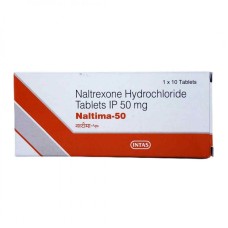
Naltrexone refers to a class of medications that have shown remarkable efficacy in treating various addiction disorders, particularly alcohol and opioid dependence. All products within this category operate on the fundamental principle of blocking the effects of opioids in the brain, leading to diminished cravings and reduced risk of relapse. This mechanism is achieved by acting on the opioid receptors, significantly altering the brain’s perception of pleasure versus discomfort associated with substance use. Commonly used in addiction recovery programs, Naltrexone promotes abstinence and helps stabilize individuals who seek to overcome their dependencies. Additionally, it can provide psychological benefits, offering a renewed sense of control and fostering an optimistic outlook necessary for recovery.
Purchase options in the USA through a specialized store
Those seeking Naltrexone in the United States have several options for purchasing it. Specialized pharmacies offer both oral tablets and injectable forms of the medication. The oral variant typically requires a prescription, and it is recommended to consult with healthcare providers to obtain this. Some clinics also dispense injectable Naltrexone, which is administered once a month, providing an alternative for those who might struggle with daily adherence to pills. Beyond traditional pharmacies, online platforms offer convenience for acquiring Naltrexone after a prescription is secured. Consumers should ensure that they use reputable sources to avoid counterfeit medications and maintain safety in their purchase process.
Description of the active substance in Naltrexone
Naltrexone uniquely stands out from other medication options in the realm of addiction treatment due to its targeted action and minimal risk of abuse. Unlike other opiate medications that might carry the potential for dependency, Naltrexone operates as an antagonist, effectively blocking the euphoric effects of opioids. This distinct property allows it to be a crucial asset for those aiming to manage their addictions without introducing other narcotic substances into their system. Furthermore, studies suggest that Naltrexone can aid in managing impulsivity and enhancing overall cognitive function, making it a suitable alternative for individuals who want to focus on their recovery, improve mental clarity, and regain a sense of stability in their lives. Users might consider Naltrexone particularly when trying to deal with triggers that promote substance use or during high-pressure situations that could lead to relapse.
Key characteristics and functional properties
The long-term effects of Naltrexone use are promising; individuals who consistently adhere to their prescribed regimen often see significant improvements in maintaining sobriety and overall health. It's crucial to note, however, that Naltrexone may not be suitable for everyone. Contraindications exist for certain populations, including pregnant women, minors, and individuals with specific medical conditions such as liver disease. In particular, pregnant women are often advised against using Naltrexone due to potential risks to fetal development. Those with a history of allergic reactions to similar medications should also avoid it. Before starting treatment, patients should engage in an extensive discussion with their healthcare professional to evaluate their personal health history and ensure Naltrexone aligns with their treatment goals.
Possible side effects and minimization strategies for Naltrexone
As with any medication, Naltrexone can come with side effects. Commonly reported effects include gastrointestinal discomfort, fatigue, headaches, and dizziness. Understanding these potential side effects is essential for users to manage their experience effectively. To minimize risks, individuals are encouraged to communicate openly with their healthcare provider regarding any discomfort or adverse reactions they experience. A gradual introduction to Naltrexone can be beneficial, allowing the body time to adapt to this medication. Furthermore, ensuring a solid support system, including counseling and peer support groups, can significantly contribute to a successful and safer treatment journey. It is imperative for users to stay informed, making educated choices in collaboration with health professionals to optimize their recovery process.