
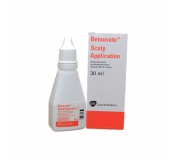
Understanding the Benefits of Betamethasone Valerate
Betamethasone valerate is a powerful corticosteroid used primarily to treat inflammatory skin conditions such as eczema, psoriasis, and dermatitis. All products within this category share a common characteristic: they possess anti-inflammatory and immunosuppressive properties that help alleviate symptoms associated with various skin disorders. By working at the cellular level, Betamethasone valerate reduces redness, swelling, and itching, fostering an environment conducive to healing. The key characteristics of these products include a rapid onset of action, effectiveness against acute and chronic conditions, and a varied range of formulations tailored to different patient needs, ensuring that users can find the right treatment for their specific conditions.
Formats and Formulations of Products
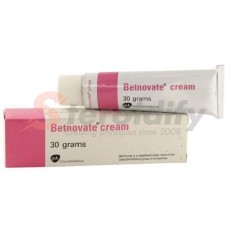
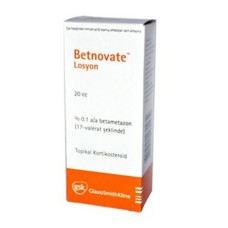
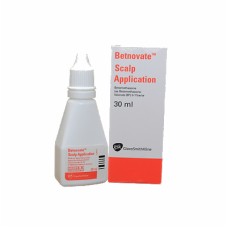
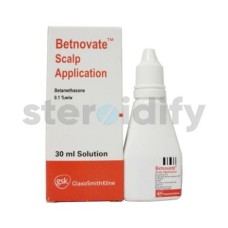
Products in the Betamethasone valerate category come in various formats to accommodate diverse treatment preferences and skin types. These include topical creams, ointments, and lotions, each designed to provide targeted relief. Topical creams are best suited for moist or weepy skin conditions, while ointments offer a thicker consistency that is effective for dry and scaly areas. There are also formulations available that combine Betamethasone valerate with other active ingredients to enhance efficacy or provide additional therapeutic benefits. Additionally, for those needing systemic relief, there may be options for injectable formulations, although these are less common. The choice of formulation should align with the specific needs of the condition being treated and the patient's lifestyle.
Distinct Features of Betamethasone Valerate Compared to Similar Products
When considering how Betamethasone valerate compares to other corticosteroids and treatments for skin conditions, several distinctions stand out. First, Betamethasone valerate is typically more potent than many over-the-counter alternatives, offering quicker and more significant relief for severe inflammation. While other corticosteroids might have a broader or more general action, Betamethasone valerate’s specific formulation targets inflammation more effectively, making it a preferred choice for dermatological professionals. Furthermore, it is often associated with lower incidences of systemic side effects due to its targeted topical application, giving it an edge over oral corticosteroids. Users seeking reliable results for their skin conditions should consider Betamethasone valerate as a tailored therapeutic option that meets their needs while minimizing unwanted side effects.
Understanding Long-Term Use and Suitability of Betamethasone Valerate Products
Long-term use of Betamethasone valerate can lead to significant improvements in the management of chronic skin conditions. However, it is crucial to be aware of potential long-term side effects, which may include skin thinning, stretch marks, and a risk of systemic absorption leading to hormonal imbalances. It is also essential to recognize the contraindications associated with the use of Betamethasone valerate products. Pregnant women, nursing mothers, and children should exercise caution and consult a healthcare provider before use, as the effects of corticosteroids can vary significantly among these populations. Furthermore, individuals with certain systemic diseases or skin infections may need to avoid these products altogether. Regular monitoring by a dermatologist can help mitigate risks and ensure the effective and safe management of skin conditions.
Choosing and Using Betamethasone Valerate Effectively
When selecting a Betamethasone valerate product, it is essential to consider the formulation that best meets your specific skin condition requirements. It's advisable to consult with a healthcare professional who can provide guidance based on your medical history and the severity of your condition. Begin by assessing your skin type and the nature of your inflammation to determine whether a cream, ointment, or lotion is more appropriate. Once a product is chosen, follow the recommended dosage and application frequency provided in the patient information leaflet or by your healthcare provider. Proper application techniques, such as gently massaging the medication into the affected area and washing your hands before and after use, can enhance the effectiveness of treatment. Monitoring your skin's response to the medication is also crucial; if adverse reactions occur or if the condition does not improve, it is vital to consult a healthcare professional for reassessment.