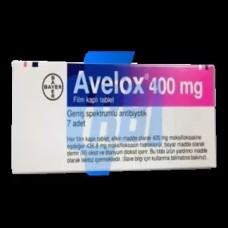

Main positive effects of Moxifloxacin
Moxifloxacin is a fluoroquinolone antibiotic that is widely recognized for its effectiveness in treating a range of bacterial infections. The primary positive effects of Moxifloxacin stem from its ability to inhibit bacterial DNA gyrase and topoisomerase IV, two enzymes crucial for bacterial replication and repair. This action leads to the rapid death of susceptible bacteria. Moxifloxacin is particularly valued for its broad-spectrum activity, which means it can effectively combat various strains, including those that are resistant to other antibiotics. This characteristic makes Moxifloxacin a preferred choice among healthcare professionals for treating infections such as respiratory tract infections, skin infections, and certain types of bone infections.
Another significant advantage of Moxifloxacin is its pharmacokinetic properties. The drug has a favorable oral bioavailability, allowing for effective treatment even when administered orally. This aspect enhances patient compliance as it eliminates the need for intravenous administration in many cases. Furthermore, Moxifloxacin penetrates tissues effectively, which is crucial for treating infections in the lungs and other hard-to-reach areas. Overall, the main positive effects of Moxifloxacin provide a reliable solution for individuals battling various bacterial infections, making it a cornerstone in antibiotic therapy.
Purchase options in the USA through a specialized store
In the United States, Moxifloxacin is available primarily through prescription from licensed healthcare providers. Patients seeking this medication can find it in various forms, including tablets and intravenous formulations. The distribution of Moxifloxacin is well-regulated, necessitating a healthcare professional's endorsement before a patient can obtain it. This is designed to ensure that the use of this antibiotic is appropriate for the specific infection being treated and that risks of misuse or overuse are minimized.
Additionally, Moxifloxacin can be purchased at numerous specialized pharmacies, which may include both brick-and-mortar establishments and online options. When purchasing medication online, it is crucial to choose reputable pharmacies that require a valid prescription, as this not only ensures the authenticity of the product but also safeguards the health of the consumer. Availability may vary, so it is advisable for patients to consult their doctor or pharmacist regarding where to purchase Moxifloxacin effectively and safely.
Description of the active substance in Moxifloxacin
The active substance in Moxifloxacin sets it apart from other antibiotics, particularly those within the same fluoroquinolone class. Unlike some of its counterparts, Moxifloxacin possesses unique properties that contribute to its effectiveness in treating specific infections. For instance, its enhanced activity against Gram-positive bacteria, including Streptococcus pneumoniae, makes it a treatment of choice for certain respiratory infections that may not respond to other antibiotics.
Moreover, Moxifloxacin's resistance profile is noteworthy. The resistance mechanisms that some bacteria develop against older fluoroquinolones do not always apply to Moxifloxacin, allowing it to maintain its efficacy against both common and resistant strains. This makes Moxifloxacin a valuable antibacterial agent for patients whose infections fail to respond to conventional treatments, providing a vital option in the clinical setting. Ultimately, understanding the distinct attributes of Moxifloxacin can help users and healthcare providers make informed decisions regarding its use in treating specific performance or training-related health goals.
Key characteristics and functional properties
Moxifloxacin is characterized by its convenient dosing regimen and wide-ranging effectiveness. Typically, it is prescribed for a duration depending on the type and severity of the infection, commonly spanning from five to fourteen days. However, it is essential to adhere to the prescribed course to prevent the development of antibiotic resistance.
While Moxifloxacin's benefits are substantial, it is crucial to recognize that it is not suitable for everyone. Certain populations, such as pregnant women and minors, should avoid Moxifloxacin unless specifically recommended by a healthcare professional due to potential risks. Additionally, individuals with a history of tendon disorders or those currently using other medications that increase the risk of tendon rupture may need to approach the use of Moxifloxacin with caution.
Patients with certain medical conditions, including severe liver dysfunction or those who may have hypersensitivity to fluoroquinolones, are advised to refrain from its use. A thorough assessment by a healthcare professional is recommended to evaluate the appropriateness of Moxifloxacin for each individual's health context.
Possible side effects and minimization strategies for Moxifloxacin
Like all medications, Moxifloxacin may present potential side effects, which vary in intensity among individuals. Common side effects may include nausea, diarrhea, dizziness, and headache. While these effects are often mild, it is vital for users to be aware of the possibility of more severe reactions, such as tendon damage, particularly in older adults or those with a predisposition to musculoskeletal issues.
To minimize risks when starting Moxifloxacin, patients are encouraged to follow a few strategies. Firstly, initiating treatment only after thorough discussion with a healthcare provider can ensure that the benefits outweigh the risks. Secondly, monitoring for any unusual symptoms during the initial days of treatment is critical. Promptly reporting these symptoms can facilitate timely intervention in case of serious adverse reactions.
Finally, patients should maintain an open dialogue with their healthcare providers regarding their medical history and any other medications they may be taking, which can influence the safety and efficacy of Moxifloxacin. By approaching Moxifloxacin use with responsibility and care, individuals can effectively leverage its therapeutic potential while minimizing health risks.