 All about product
 Specification
 Reviews
 Questions

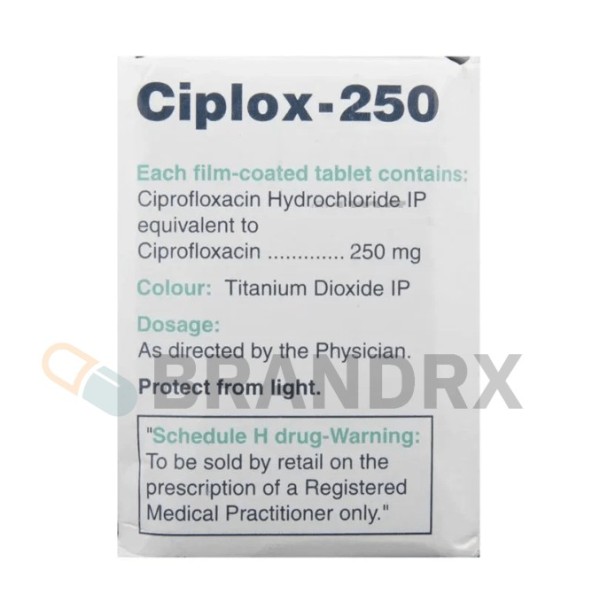
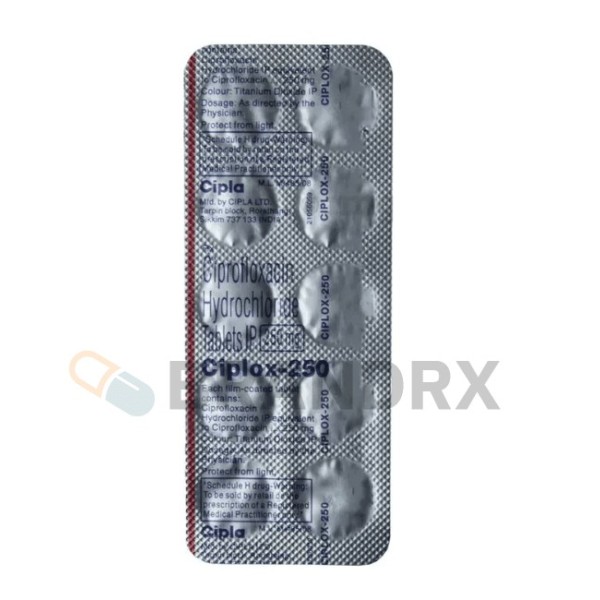


Ciplox 250 mg Cipla: An Overview of Its Characteristics and Action
Ciplox 250 mg Cipla is a powerful antibiotic used to treat a variety of bacterial infections. It belongs to a class of drugs known as fluoroquinolones and is effective in combating infections caused by specific types of bacteria. The active ingredient in Ciplox is ciprofloxacin, which works by inhibiting the bacterial DNA gyrase enzyme, ultimately preventing the replication of bacterial DNA. This mechanism of action makes Ciplox particularly effective against a range of gram-negative and some gram-positive bacteria.
The key characteristics that define Ciplox 250 mg Cipla include its high bioavailability, rapid absorption, and relatively long half-life, which enables it to maintain effective drug levels in the body with fewer doses. The formulation is designed for oral use, making it convenient for patients. Ciplox is generally well-tolerated, but like all medications, it must be used under the guidance of healthcare professionals to ensure effectiveness and minimize the risk of adverse effects.
Available Forms of Ciplox
Ciplox 250 mg Cipla is primarily available in tablet form, making it easy for patients to take as directed. The tablets are often coated to facilitate easier swallowing and to protect the active ingredient from degradation due to exposure to moisture and light. In addition to the tablet form, Ciplox may also be available as an intravenous solution in certain healthcare settings, allowing for immediate administration in cases of severe infections where oral administration is not feasible.
Another notable aspect is that Ciplox is available in several dosages, including 500 mg and 750 mg, allowing healthcare providers to customize treatment plans based on the severity of the infection and the patient's overall health profile. While Ciplox 250 mg Cipla is commonly used, practitioners often consider various factors, such as patient age and kidney function, when determining the appropriate dosage.
Comparative Analysis of Ciplox 250 mg Cipla
One of the principal differences between Ciplox 250 mg Cipla and other antibiotics is its antibiotic spectrum and effectiveness against specific strains of bacteria. Unlike some antibiotics that target a narrow range of bacteria, Ciplox exhibits a broad-spectrum of activity, making it a versatile option for treating various infections. It is particularly potent against infections of the respiratory tract, urinary tract, and gastrointestinal tract.
An essential reason to consider Ciplox 250 mg Cipla over its counterparts is its relatively fast action. Many patients experience symptom relief quickly after starting therapy with Ciplox, which can be crucial for those suffering from acute infections. Moreover, its dosing schedule is convenient, often requiring only twice-daily administration, which improves adherence to treatment regimens.
However, as with any medication, it is important for users to discuss their specific needs and medical history with their healthcare provider to determine if Ciplox 250 mg Cipla is the optimal choice for their condition. While effective, it may not be suitable for treating all infections, particularly those caused by resistant bacteria.
Long-term Effects and Contraindications
The long-term use of Ciplox 250 mg Cipla may lead to some potential side effects, which include gastrointestinal disturbances, headaches, and in certain cases, tendon damage. It is crucial for individuals considering this medication to be aware of these risks and to consult a healthcare provider, especially if they plan to use Ciplox for an extended period.
Additionally, certain populations may need to avoid Ciplox use. For example, pregnant women and breastfeeding mothers should generally refrain from taking this medication due to the potential risk to the fetus or child. Minors may also need special consideration, as the effects on growing bones and joints have not been extensively studied. Individuals with a history of tendon disorders or certain chronic medical conditions should be evaluated carefully before using Ciplox.
Overall, while Ciplox 250 mg Cipla can provide significant benefits, understanding its long-term implications and contraindications is essential before use.
Practical Advice on Using Ciplox 250 mg Cipla
When starting Ciplox 250 mg Cipla, it is vital to follow the instructions provided by a healthcare professional. They will typically recommend the correct dosage based on the severity of the infection and the patient’s medical history. It is essential to take the full course of the medication, even if symptoms improve, to ensure the bacteria are completely eradicated and to prevent the development of resistance.
Patients should also be advised to drink plenty of fluids while taking Ciplox, as this can help reduce the risk of certain side effects, such as kidney issues. It is best taken at least two hours before or six hours after taking any antacids or supplements containing zinc, magnesium, or calcium, as these can interfere with its absorption.
Lastly, open communication with healthcare providers throughout the course of treatment is key. Any unusual symptoms or side effects should be reported immediately, allowing for timely adjustments to the treatment plan if necessary. By adhering to these guidelines, users can maximize the benefits of Ciplox 250 mg Cipla and contribute to a successful treatment outcome.


No questions about this product, be the first and ask your question.
