
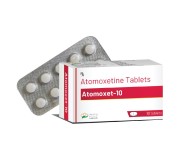
Understanding Atomoxetine and Its Common Features
Atomoxetine is a medication primarily used for the treatment of attention-deficit hyperactivity disorder (ADHD) in children, adolescents, and adults. As a non-stimulant, it operates through the selective inhibition of norepinephrine reuptake in the brain, which plays a significant role in enhancing attention span and reducing impulsivity and hyperactive behaviors. One of the defining characteristics of Atomoxetine is its ability to provide symptom relief without the highs and lows often associated with stimulant medications. This makes it particularly appealing for individuals who may be sensitive to these fluctuations or who experience adverse effects from stimulants.
All products within the Atomoxetine category share a common mechanism of action, establishing a predictable therapeutic profile. They are designed to improve focus and concentration by balancing neurochemical deficiencies in the brain. Beyond just aiding attention, Atomoxetine helps in nurturing emotional regulation, which is a crucial aspect of managing ADHD. These common features make Atomoxetine a significant solution for many individuals seeking effective management of ADHD symptoms.
Forms of Atomoxetine Available
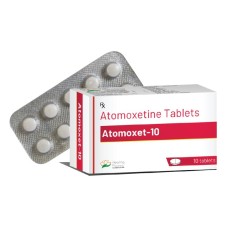
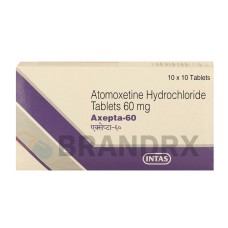
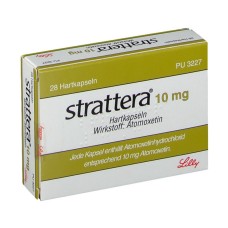
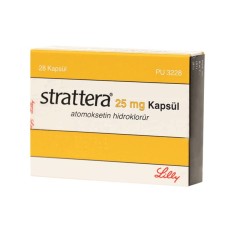
Atomoxetine is primarily available in capsule form, allowing for convenient oral administration. The capsules come in various dosages, which makes it easier to tailor the medication to the specific needs of each patient. Standard formulations usually include 10 mg, 18 mg, 25 mg, 40 mg, and 80 mg capsules. This range of dosages is essential for providing flexibility in treatment plans, enabling healthcare providers to adjust the dose based on the individual response and age of the patient.
In addition to standard capsules, some formulations may offer extended-release options, which allow for once-daily dosing. This can significantly enhance adherence to the prescribed regimen. While Atomoxetine is not available in liquid or injectable forms, the existing capsule options are designed to maximize effectiveness while ensuring user convenience.
Differences from Other ADHD Treatment Options
What sets Atomoxetine apart from other products in the ADHD treatment landscape is its non-stimulant nature. Unlike traditional stimulant medications such as methylphenidate and amphetamines, Atomoxetine does not lead to potential abuse or dependency, making it an ideal choice for patients with a history of substance misuse or those who are concerned about the risks associated with stimulant therapy.
Moreover, Atomoxetine is particularly advantageous for individuals who may experience side effects from stimulant medications, such as insomnia, increased heart rate, or anxiety. It provides a more gradual approach to symptom management, with effects manifesting over weeks rather than immediately. This slower onset can be beneficial in reducing the likelihood of overstimulation, allowing for a more stable improvement in attention and behavior.
Long-term Effects and Contraindications
Using Atomoxetine over the long term has shown to provide sustained symptom relief for many patients, making it a viable option for ongoing management of ADHD. Research indicates that consistent use can improve daily functioning and overall quality of life. However, individual responses can vary, and monitoring by a healthcare provider is essential to assess efficacy and adjust the treatment plan as necessary.
Despite its benefits, Atomoxetine is not suitable for everyone. Contraindications include individuals with a history of severe cardiovascular issues, as Atomoxetine can increase heart rate and blood pressure. Additionally, it is not recommended for use during pregnancy or breastfeeding due to potential risks to the fetus or nursing infant. Children under the age of six are also generally advised against using Atomoxetine. Patients with specific mental health disorders, such as severe depression or anxiety, should approach the use of this medication cautiously and under strict medical supervision.
Practical Advice for Starting Atomoxetine
When considering Atomoxetine, it is essential to consult with a healthcare professional who specializes in ADHD treatment. A comprehensive evaluation will help determine if this medication is suitable based on medical history and current health status. Start with a low dose, gradually increasing based on the healthcare provider's recommendations and the patient's response to the medication. This conservative approach helps mitigate potential side effects and ensures a smoother adjustment period.
Furthermore, maintain regular follow-up appointments to monitor progress, address any concerns, and make necessary dosage adjustments. Combining Atomoxetine with behavioral therapies can amplify its effectiveness, providing a holistic approach to managing ADHD symptoms. Engaging in supportive environments, whether at home or in educational settings, can bolster the benefits of medication and promote long-term success in managing ADHD symptoms. Always report any concerning side effects or lack of improvement to a healthcare provider promptly to ensure optimal treatment outcomes.