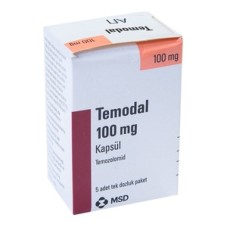

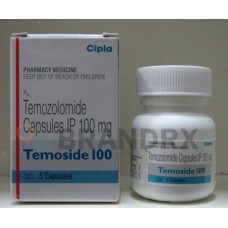

Temozolomide: A Comprehensive Overview
Temozolomide is an oral chemotherapy medication primarily used for the treatment of certain types of brain tumors, particularly glioblastoma multiforme and anaplastic astrocytoma. This drug works by interfering with the growth and spread of cancer cells in the body. As a member of the alkylating agent class, Temozolomide is designed to damage the DNA of cancerous cells, preventing them from dividing and proliferating. This continues to be a vital component of the treatment regimen for patients facing these aggressive tumor types, especially when combined with other therapies like radiation. Understanding its efficacy, usage, and potential side effects is essential for anyone considering or involved in treatment protocols involving this chemotherapy agent.
Typical Users and Treatment Contexts
Patients diagnosed with high-grade brain tumors are the primary users of Temozolomide. This includes adults diagnosed with glioblastoma multiforme, which is known for its aggressive nature and poor prognosis. In clinical settings, this medication is often prescribed after surgical interventions aimed at tumor resection. It can also be utilized as a maintenance therapy following radiation treatment to maximize cancer control. Additionally, other contexts where Temozolomide can be applicable include cases of recurrent gliomas, where existing treatment options may be limited. Oncologists evaluate the specific circumstances of each patient's condition to determine the suitability of Temozolomide as part of the treatment plan, often taking into consideration individual health factors and treatment history.
Defining Strengths of Temozolomide
One of the key strengths of Temozolomide lies in its oral administration, which offers considerable convenience compared to other chemotherapy treatments that may require intravenous administration. This ease of use can improve patient adherence to the treatment regimen. Another distinctive characteristic is its ability to cross the blood-brain barrier, a significant advantage when targeting tumors within the central nervous system. Compared to other chemotherapy agents, Temozolomide has been observed to elicit fewer severe side effects, making it a more tolerable option for many patients. Additionally, its synergistic effects when used in conjunction with radiation therapy can enhance overall treatment effectiveness, delivering a more coordinated approach to battling resistant tumor cells.
Key Benefits of Temozolomide
The benefits of Temozolomide are noteworthy and contribute significantly to its usage in cancer treatment protocols. Here are some advantages that make this medication a preferred choice by healthcare providers:
- Convenient oral administration allows patients to take the medication at home without the need for frequent hospital visits.
- Effective against specific tumors, particularly glioblastoma, enhancing survival rates when used in early-stage treatment.
- Ability to penetrate the blood-brain barrier enables targeted action against brain tumors, optimizing treatment efficacy.
- Lower incidence of severe side effects compared to traditional chemotherapy, which can improve the quality of life for patients undergoing treatment.
- Flexibility in usage, as it can be used alone or in combination with other therapies, offering personalized treatment plans based on patient needs.
Important Considerations Before Choosing Temozolomide
Before adopting Temozolomide as part of a cancer treatment regimen, certain considerations must be taken into account. First, potential contraindications such as pre-existing medical conditions or other medications that may interact negatively with Temozolomide should be thoroughly reviewed. For example, patients with a history of bone marrow suppression may require caution, as this could heighten the risk of adverse effects. Additionally, healthcare providers should assess individual tolerability to chemotherapy agents and discuss possible side effects, including nausea, fatigue, and the risk of infections due to lowered white blood cell counts. Supportive care options should also be explored to manage any potential discomforts associated with treatment. As Temozolomide can impact individuals differently, personalized assessments and consultations with oncologists play a crucial role in determining the appropriateness of this medication for specific patients.