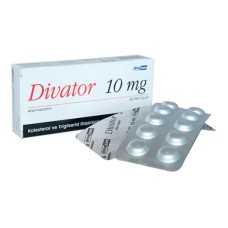

Define Rosuvastatin as a product category and explain its general purpose
Rosuvastatin is a prescription medication classified within the statin category, primarily used to manage cholesterol levels in the body. As a potent HMG-CoA reductase inhibitor, Rosuvastatin works by blocking the enzyme necessary for the production of cholesterol in the liver. This action significantly reduces low-density lipoprotein (LDL) cholesterol and triglycerides while simultaneously increasing high-density lipoprotein (HDL) cholesterol, which is often referred to as the "good" cholesterol.
The general purpose of Rosuvastatin, therefore, centers around improving cardiovascular health. By effectively lowering LDL cholesterol levels, it aims to reduce the risk of heart attack, stroke, and other cardiovascular diseases. This medication is generally prescribed as part of a broader lifestyle change, which may include dietary adjustments and increased physical activity. The overarching goal is to achieve optimal lipid management, aimed at enhancing overall heart health and reducing long-term health risks.
Describe how Rosuvastatin fits into broader product ecosystems or treatment strategies
Within the broader spectrum of cardiovascular treatment strategies, Rosuvastatin establishes itself as a crucial player in lipid-lowering therapies. It is often included in a comprehensive treatment approach that may encompass lifestyle modification, dietary changes, and the use of other pharmacological agents as needed. Rosuvastatin is generally prescribed for individuals with hyperlipidemia or those at elevated risk for atherosclerotic cardiovascular disease due to pre-existing conditions.
In clinical guidelines, Rosuvastatin may be part of a tiered treatment strategy. This strategy begins with lifestyle interventions, such as diet and exercise, and progresses to the use of statins when necessary to achieve optimal cholesterol levels. Additionally, it can be effectively combined with other medications, such as ezetimibe or PCSK9 inhibitors, for patients who do not achieve their targets with Rosuvastatin alone. This co-management enhances the medication's effectiveness by addressing various pathways involved in cholesterol metabolism.
Moreover, its incorporation into personalized medicine is becoming more prevalent, as healthcare providers utilize genetic testing and risk assessment tools to determine who might benefit most from Rosuvastatin therapy. This tailored approach aims to maximize therapeutic outcomes while minimizing potential adverse effects. Thus, Rosuvastatin plays a fundamental role in integrating modern cardiovascular care, aligning with both evidence-based practices and individual patient needs.
Explain the advantages users typically expect from this category
Patients who are prescribed Rosuvastatin can expect several key advantages that contribute to its popularity as a lipid-lowering therapy. These advantages include the following:
- Effective LDL Reduction: Rosuvastatin is known for its strong ability to lower LDL cholesterol levels, often achieving significant results within a short period.
- Increased HDL Levels: Besides lowering bad cholesterol, Rosuvastatin also aids in raising good HDL cholesterol, contributing to overall heart health.
- Reduced Cardiovascular Risk: By managing cholesterol levels effectively, Rosuvastatin is associated with a decreased risk of cardiovascular events such as heart attacks and strokes.
- Once-Daily Dosing: Many users appreciate the convenience of taking Rosuvastatin once daily, making it easier to adhere to their treatment regimens.
- Well-Tolerated in Most Patients: Clinical studies have shown that many patients experience minimal side effects when taking Rosuvastatin, enhancing its overall desirability as a treatment option.
These advantages make Rosuvastatin a widely recommended choice by healthcare professionals for cholesterol management, underscoring its significance in both individual and population health strategies.
Discuss risks, precautions, and contraindications for use
While Rosuvastatin is a widely effective cholesterol-lowering medication, it is essential for users to be aware of its associated risks, precautions, and contraindications. As with any medication, individual responses can vary, and it is crucial to consult healthcare providers for individualized assessment.
Potential risks associated with Rosuvastatin include muscle-related side effects, such as myopathy or rhabdomyolysis, particularly in higher doses. Some individuals may experience liver enzyme elevation, necessitating regular monitoring through blood tests. Additionally, those with a history of liver disease or severe renal impairment should approach Rosuvastatin therapy with caution and under strict medical supervision.
Precautions should also be taken for users who are pregnant, breastfeeding, or have conditions that may be exacerbated by statin use. It is not recommended for individuals with known allergies to Rosuvastatin or any of its components. Furthermore, combining Rosuvastatin with certain medications can lead to drug interactions, increasing the risk of side effects. This underscores the importance of providing a complete medication history to healthcare providers before starting therapy.
Conclude with guidance on how users should approach understanding and exploring the Rosuvastatin category responsibly
In conclusion, understanding the Rosuvastatin category requires a comprehensive approach that encompasses awareness of its benefits, risks, and the broader context in which it is used. Users should engage actively with their healthcare providers, discussing any concerns and expectations regarding treatment. It is advisable for individuals to educate themselves on the importance of lipid management and the role of medications within this framework.
Moreover, patients should consider lifestyle modifications, including dietary improvements and physical activity, as fundamental components of their cholesterol management strategy. Exploring community resources or support groups can provide additional insights and encouragement. By adopting a proactive and informed approach, users can navigate the Rosuvastatin category effectively, enhancing their overall health outcomes while minimizing risks.
Ultimately, informed decision-making in collaboration with healthcare professionals plays a pivotal role in maximizing the benefits of Rosuvastatin while minimizing potential risks.