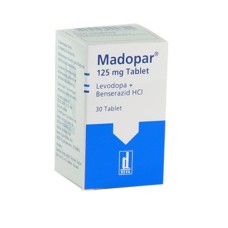

Buy Levodopa and Benserazide in the USA
Levodopa and Benserazide are essential components in the management of Parkinson's disease and other related movement disorders. These compounds work synergistically to replenish dopamine levels in the brain, addressing the symptoms associated with dopamine deficiency. The primary advantage of these combination products is their ability to enhance the bioavailability of Levodopa while minimizing peripheral side effects, thus ensuring a more efficient delivery to the central nervous system. These medications come in various pharmaceutical forms, including tablets and oral solutions, allowing for flexible administration depending on the patient's needs. Intended for individuals diagnosed with Parkinson's disease, Levodopa and Benserazide can help alleviate symptoms such as rigidity, bradykinesia, and tremors. Their specific action characteristics include a well-defined pharmacokinetic profile leading to predictable and consistent clinical outcomes when used as directed.
How to structure practical use
The pharmacokinetics of Levodopa and Benserazide involve a half-life that typically ranges from 1.5 to 2 hours. This pharmacological property necessitates a careful structuring of the intake regimen, often leading to recommendations for divided doses throughout the day. Patients may generally be advised to take their medication three times daily to maintain stable plasma concentrations. For instance, splitting the daily recommended dose into three separate intakes can help prevent fluctuations that may lead to 'off' periods. To minimize gastrointestinal discomfort, it is suggested that these medications be taken with food. Furthermore, patients should be reminded to maintain consistent timing between doses to ensure an effective therapeutic effect. Maintaining stable concentrations of these compounds is crucial for optimizing their effects and minimizing side effects.
Duration and working ranges
The standard duration for a treatment course utilizing Levodopa and Benserazide is generally set at 8 to 12 weeks, during which patients can expect to see notable improvements in their symptoms. These results often manifest as increased mobility, reduced muscle stiffness, and better overall quality of life. Patients with different levels of experience with these medications should adhere to specific dosage recommendations; beginners may start on lower doses before gradually increasing to the effective therapeutic range. It is crucial to implement a gradual increase in dosage to allow the body to adjust and to minimize the risk of adverse effects. Several factors can significantly influence the medication's effectiveness, including the individual’s training regimen, sleep quality, and nutritional intake. Monitoring these aspects can help optimize outcomes and enhance the overall treatment experience.
State monitoring and expected dynamics
When undergoing a long-term treatment course with Levodopa and Benserazide, regular laboratory monitoring is essential to ensure safety and effectiveness. Key indicators that should be controlled include liver enzymes, hemoglobin levels, and blood pressure readings. These measurements provide vital insights into the patient's response to treatment and help identify any potential adverse effects early on. Patients can typically expect to see some initial therapeutic effects within three to four weeks of starting the treatment course. To maintain these results post-course, it is crucial to address any emerging issues promptly, as fluctuations can lead to reduced efficacy and unexpected side effects. Engaging in post-cycle therapy can provide additional support in stabilizing results and ensuring long-term success in symptom management.
Monitoring during intense training
Monitoring health indicators is particularly crucial for patients undertaking intense training while on Levodopa and Benserazide. Keeping a diary of symptoms and responses can aid in recognizing potential issues early. Symptoms that require particular attention include unusual fatigue, sudden mood changes, and any signs of dizziness or fainting. Should any of these symptoms manifest, an in-person consultation with a healthcare professional is essential, especially when considering the combination of other products with this regimen. Ensuring a comprehensive approach to care can lead to better outcomes and minimize risks associated with augmented training or dosage adjustments.
Safety and results when using Levodopa and Benserazide
Before initiating treatment with Levodopa and Benserazide, it is paramount to conduct a thorough health assessment. This involves understanding the potential contraindications associated with these medications, which include liver function disorders, heart and vascular diseases, known oncological conditions, pregnancy and breastfeeding, individuals under the age of 21, and any signs of individual intolerance. Prior to starting therapy, it is advisable to have medical examinations, including liver function tests, cardiovascular assessments, and overall health evaluations. Awareness of these contraindications and appropriate prior testing can help mitigate risks and enhance the efficacy of treatment. In summary, a comprehensive approach to assessment and monitoring can maximize the benefits of Levodopa and Benserazide, ensuring safety while offering patients the opportunity to improve their quality of life.