
Benzoyl Peroxide: A Comprehensive Overview of Its Benefits and Properties
Benzoyl Peroxide is a widely recognized ingredient in the skincare industry, particularly for its efficacy in treating acne. What unites all products in the Benzoyl Peroxide category is their ability to penetrate the skin, targeting acne-causing bacteria and reducing inflammation. The main working principle revolves around the compound's antibacterial properties and its ability to help exfoliate the skin, thereby preventing clogged pores. Key features that are common to Benzoyl Peroxide products include their rapid action in controlling acne outbreaks, reduction of blackheads and whiteheads, and overall improvement in skin texture and clarity.
Moreover, Benzoyl Peroxide products are generally well-tolerated by most skin types, though some individuals may experience dryness or irritation initially. This category encompasses various concentrations and formulations to cater to different skincare needs, making it versatile for both mild and moderate acne cases.
Types and Forms of Benzoyl Peroxide Products
Benzoyl Peroxide products are available in numerous forms and concentrations to suit various preferences and skincare routines. The most common types include gels, creams, lotions, and washes. Gels often feature a higher concentration of Benzoyl Peroxide, making them suitable for targeted treatment of acne lesions. Creams and lotions, typically more hydrating, are ideal for individuals with dry or sensitive skin, as they provide moisture along with the active ingredient. Additionally, cleansers or washes containing Benzoyl Peroxide can offer a convenient way to incorporate this potent compound into a daily skincare regimen.
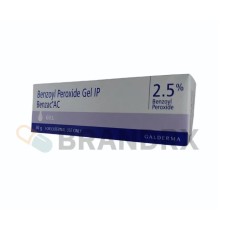
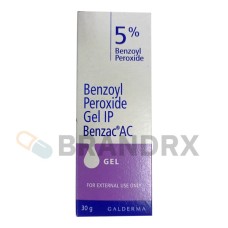
The concentration of Benzoyl Peroxide products often ranges from 2.5% to 10%. Lower concentrations are suitable for those with sensitive skin or mild acne, while higher concentrations are recommended for more severe cases. By offering a variety of formulations, consumers can choose the product that best fits their unique skin type and specific skincare goals.
Why Choose Benzoyl Peroxide Over Other Acne Treatments
One of the fundamental differences between Benzoyl Peroxide and products in other acne treatment categories—such as salicylic acid or retinoids—lies in its mechanism of action. While salicylic acid primarily works as an exfoliant to unclog pores, Benzoyl Peroxide effectively kills the bacteria responsible for acne, making it a targeted approach to treatment. Furthermore, Benzoyl Peroxide is particularly advantageous for individuals who experience inflammatory acne, as it reduces redness and swelling more rapidly compared to some other treatments.
Another distinguishing feature of Benzoyl Peroxide is its ability to prevent new breakouts. By maintaining a routine with Benzoyl Peroxide products, users may notice a significant reduction in both existing acne and future outbreaks. This effectiveness combined with its versatility makes Benzoyl Peroxide a top choice for those looking to manage acne effectively.
The Long-Term Impact and Considerations of Benzoyl Peroxide Use
Using Benzoyl Peroxide can lead to long-term improvements in acne-prone skin. Regular use may not only reduce existing acne but also help improve overall skin texture and minimize the appearance of acne scars. However, it is essential to consider that while Benzoyl Peroxide can be highly effective, it may not be suitable for everyone. Certain groups of people, such as pregnant women or individuals with specific skin conditions (such as eczema or dermatitis), should consult a healthcare professional before starting any Benzoyl Peroxide regimen.
Additionally, some individuals may experience side effects such as dryness, peeling, or irritation, especially during the initial phases of use. Therefore, it is crucial to introduce these products gradually into your skincare routine and monitor your skin's response.
Practical Tips for Choosing and Using Benzoyl Peroxide Products
When selecting a Benzoyl Peroxide product, consider your skin type and the severity of your acne. For those with sensitive skin, starting with a lower concentration, such as 2.5%, can help minimize irritation. If you are new to Benzoyl Peroxide, incorporating it into your routine gradually—perhaps beginning with every other day—can allow your skin to adjust.
Additionally, it is advisable to apply these products on clean, dry skin and to follow up with a non-comedogenic moisturizer to help combat any dryness. Always remember to wear sunscreen during the day, as Benzoyl Peroxide can make the skin more sensitive to the sun. Keeping these practical tips in mind will allow you to harness the benefits of Benzoyl Peroxide effectively while maintaining skin health.