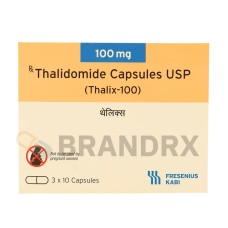

Thalidomide: A Category Overview and Main Purpose
Thalidomide is a medication that belongs to a distinct category of pharmaceutical agents primarily used for the treatment of specific conditions. Initially introduced in the late 1950s, this drug gained notoriety due to its teratogenic effects but subsequently found new applications in managing various diseases. Currently, Thalidomide is mainly utilized in the treatment of multiple myeloma and leprosy-related complications. Its mechanism of action is multifaceted, involving immunomodulatory effects, tumor necrosis factor-alpha inhibition, and anti-angiogenic properties.
The main purpose of Thalidomide is to modulate the immune system and inhibit abnormal cell growth, making it a valuable option in the oncology and infectious disease arenas. In particular, it offers a therapeutic avenue for patients who may have limited options due to the nature of their illness or previous treatment failures. Despite its controversial history, Thalidomide has demonstrated significant clinical efficacy when used under strict regulation and oversight.
Profile of Typical Users and Contexts of Application
The typical users of Thalidomide include patients diagnosed with specific conditions such as multiple myeloma and erythema nodosum leprosum, a complication of leprosy. Current prescribing practices are largely limited to those individuals who have not responded well to conventional treatments or for whom alternative therapies are not viable options. Healthcare providers, particularly oncologists and specialists in infectious diseases, play a vital role in determining the appropriateness of Thalidomide for these patients.
Contexts where Thalidomide is most commonly applied involve specialized medical facilities where healthcare professionals can monitor the patient's progress and manage potential side effects. Due to its history, stringent guidelines have been established regarding the distribution and use of Thalidomide, necessitating regular blood testing and pregnancy screening to mitigate risks, particularly in women of childbearing age. Given these considerations, Thalidomide is often prescribed within a framework that ensures patient safety and compliance with regulatory standards.
Strengths and Distinguishing Characteristics of Thalidomide
Thalidomide stands out from other medications in related categories due to its unique mechanism of action and the specific conditions it targets. Unlike traditional chemotherapy agents, which primarily focus on killing cancer cells, Thalidomide modifies the immune response, enabling the body to better combat certain diseases. This dual action—targeting both inflammation and abnormal cell proliferation—sets Thalidomide apart as a versatile therapeutic agent.
Moreover, its anti-inflammatory properties make it effective in addressing symptoms associated with leprosy and other inflammatory conditions. Thalidomide's emergence as a treatment for multiple myeloma has also underscored its significance in cancer therapeutics, especially in combination with other agents for enhanced efficacy. By utilizing Thalidomide in a strategic manner, healthcare providers can optimize treatment protocols to improve patient outcomes, often leading to longer remission times and an improved quality of life.
Benefits of Thalidomide: An Overview
Thalidomide offers several key advantages that contribute to its growing acceptance in clinical settings. Below is a numbered list of significant benefits:
- Immunomodulatory Effects: Thalidomide helps in modifying the immune response, which is essential for managing multiple myeloma and other immune-mediated conditions.
- Enhanced Quality of Life: For patients suffering from leprosy-related complications, Thalidomide can alleviate severe symptoms, contributing to an improved quality of life.
- Combination Therapy: Thalidomide is often used in conjunction with other treatments, enhancing the overall effectiveness of cancer therapies.
- Proven Efficacy: Numerous clinical trials and studies have demonstrated the effectiveness of Thalidomide in treating multiple myeloma, leading to its FDA approval in this area.
- Minimal drug resistance: Compared to conventional chemotherapy agents, some studies suggest that Thalidomide encounters less resistance in treating multiple myeloma, making it an effective long-term option.
Important Considerations Before Choosing Thalidomide Products
Before considering Thalidomide as a treatment option, patients and healthcare providers must weigh several important considerations. It is vital to acknowledge the contraindications, including a history of thromboembolic events and significant liver impairment. Additionally, due to its teratogenic potential, women of childbearing age must undertake stringent measures to prevent pregnancy and may require participation in risk management programs.
Patients should also be aware of potential side effects, which can range from mild (like drowsiness) to severe (including peripheral neuropathy). Regular monitoring and follow-up appointments are essential to assess the drug's efficacy and manage any adverse effects. In conclusion, Thalidomide is a powerful therapeutic tool in specific patient populations, yet its use requires a thorough understanding of risks, benefits, and regulatory controls to ensure the safety and well-being of those it aims to help.