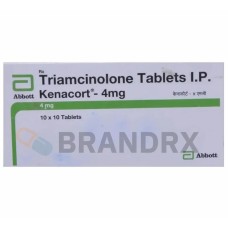
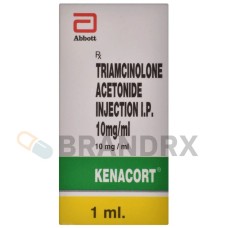
Understanding the Role of Triamcinolone acetonide in Treatment
Triamcinolone acetonide is a synthetic corticosteroid that has become a vital tool in managing various inflammatory conditions. Users typically seek this medication to alleviate symptoms related to allergies, skin disorders, arthritis, and asthma. However, a common misunderstanding is the belief that corticosteroids can be used freely without any considerations for dosage or duration. Users often have goals centered around quick relief from discomfort or inflammation, but it's crucial to recognize that while Triamcinolone acetonide can effectively reduce symptoms, improper use may lead to adverse effects or dependency.
Another prevalent misconception is that all steroid medications function in the same manner, leading to confusion about Triamcinolone acetonide's specific applications. Individuals might assume that any corticosteroid will deliver similar outcomes. In reality, the potency and action of Triamcinolone acetonide can significantly differ from other steroids, meaning patients and healthcare providers must carefully consider its use based on individual conditions and requirements.
Mechanics of Triamcinolone acetonide in Therapy
The effectiveness of Triamcinolone acetonide hinges on its pharmacological properties, which inhibit inflammation and modulate the immune response. This corticosteroid works primarily by suppressing the activity of various cells involved in the inflammatory process, such as leukocytes and macrophages. The medication is available in several formulations, including injections, topical ointments, and nasal sprays, which allows healthcare professionals to tailor treatments to individual patient needs.
When evaluating the use of Triamcinolone acetonide, factors such as the form of administration, dosage, and duration of treatment are vital. For instance, the intended application—whether for localized skin conditions or systemic inflammatory diseases—can dictate how the drug is employed. Additionally, the rate at which the body metabolizes Triamcinolone acetonide can vary based on the patient’s age, weight, and overall health, highlighting the importance of personalized treatment strategies.
Exploring Related Medications and Treatments
When placed alongside other corticosteroids and anti-inflammatory medications, Triamcinolone acetonide presents unique advantages and challenges. Many adjacent categories encompass a wide range of therapies designed to manage inflammation or immune responses, including non-steroidal anti-inflammatory drugs (NSAIDs) and biologics. Unlike NSAIDs, which primarily offer pain relief and reduction of inflammation without the immune-modulating effects, Triamcinolone acetonide provides a multifaceted approach to treatment.
Another important comparison is with other corticosteroids, like hydrocortisone or prednisone. While these medications may share similar properties, the dosage and frequency of administration can differ significantly, reflecting their varying potencies. Understanding how Triamcinolone acetonide interacts with these adjacent categories helps clarify its place in chronic disease management and acute inflammatory conditions, ensuring more informed decision-making for healthcare providers and patients alike.
Identifying Risks and Professional Guidance
Despite its effectiveness, the use of Triamcinolone acetonide is not without limitations and contraindications. Patients should be aware of potential side effects, which can range from common issues such as skin thinning or weight gain to more serious complications including hormonal imbalances or increased risk of infections. Certain populations, such as those with specific medical conditions or who are pregnant or breastfeeding, should exercise caution or avoid using this medication.
Thus, a consultation with a healthcare professional before starting treatment is essential. This ensures that a thorough medical history is taken and that the risks are weighed against the benefits of using Triamcinolone acetonide. Physicians can provide insights into appropriate alternatives or adjuncts to enhance treatment outcomes while mitigating the potential for adverse events.
Navigating the Triamcinolone acetonide Category for Better Decisions
For users looking to explore information on Triamcinolone acetonide, this category page serves as a valuable resource. It’s essential to delve deeper into the specifics of how this medication operates, the conditions it treats, and any associated risks. A comprehensive understanding can empower patients to engage in informed conversations with their healthcare providers.
This platform allows users to access a variety of information, including different formulations, dosage recommendations, and guidance for safe usage. By navigating through related categories and articles, users can build a broader perspective of how Triamcinolone acetonide fits within their treatment landscape. Whether seeking relief from a persistent issue or simply looking to learn more about this corticosteroid, resources are available to support informed decisions. Investing time in understanding Triamcinolone acetonide can ultimately lead to safer and more effective management of symptoms, paving the way for better health outcomes.