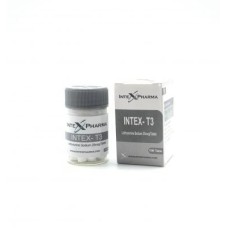
Understanding Thyroxine Sodium and Its Applications
Thyroxine sodium is a vital medication primarily used in the treatment of hypothyroidism, a condition where the thyroid gland does not produce enough thyroid hormones. Many individuals who are prescribed this medication seek to restore their thyroid hormone levels and alleviate symptoms such as fatigue, weight gain, and depression. A typical goal for users is to achieve a balanced hormone level, which can significantly enhance overall health and well-being. However, common misunderstandings about thyroxine sodium often lead to issues with its proper use. For instance, some users may think that higher doses will yield quicker results, while others might stop taking it without consulting a healthcare professional when they feel better. Such misconceptions can lead to serious health consequences, making it crucial to have a proper understanding of this medication.
Mechanism and Parameters of Thyroxine Sodium
Thyroxine sodium works by supplementing the levels of thyroid hormone in the body, specifically levothyroxine. This hormone plays a crucial role in regulating metabolism, heart rate, temperature, and growth. The effectiveness of thyroxine sodium is influenced by several internal parameters, including individual absorption rates, timing of administration, and interactions with other medications or dietary factors. The standard administration is through oral tablets; however, in certain cases where immediate treatment is necessary, intravenous forms may be used. For optimal results, it is essential for patients to maintain consistent dosage and to monitor their thyroid levels regularly, which may involve periodic blood tests to adjust the dosage accordingly. Each individual's response to thyroxine sodium can vary significantly, leading to the necessity of a personalized treatment plan.
Comparative Assessment of Hormonal Treatment Options
When considering treatment for hormonal imbalances like those addressed by thyroxine sodium, it is essential to compare it with other categories of endocrine therapies. For example, treatments for diabetes often involve insulin or other glucose-lowering medications, which address different hormonal needs than thyroid treatments. Hormonal treatments can also include corticosteroids, which help manage inflammation and immune responses but have entirely different applications and side effects compared to thyroid hormones. Furthermore, while both thyroid hormone replacement and diabetes management aim to stabilize hormone levels in the body, they differ in how they engage with the physiological processes. Thyroxine sodium specifically targets metabolism and energy regulation, reflecting its unique role in comprehensive health management.
Limitations and Important Considerations
While thyroxine sodium is effective for many individuals with hypothyroidism, it is not without limitations. Patients on this medication must be aware of several contraindications, particularly concerning preexisting health conditions. Individuals with untreated adrenal insufficiency, for instance, may experience complications when taking thyroxine sodium. Additionally, it's crucial for patients to avoid taking it alongside certain medications like antacids, calcium supplements, or iron supplements, which may hinder its absorption and effectiveness. For these reasons, professional consultation is imperative before starting or adjusting any dosage of thyroxine sodium. Healthcare providers can offer insights into the correct usage, potential side effects, and necessary monitoring to ensure the safe integration of this medication into a patient’s treatment regimen.
Navigating the Thyroxine Sodium Category
Exploring the category of thyroxine sodium can be both informative and empowering for those considering this medication. Begin by reviewing available information on dosage guidelines, administration methods, and expected outcomes as part of your overall treatment strategy. It is advisable to familiarize yourself with the safety profile and potential interactions that thyroxine sodium may have with other medications. Additionally, resources such as patient forums may provide anecdotal experiences that can enrich your understanding. However, always remember that personal experiences should not replace professional medical advice. For any questions or uncertainties, reach out to a healthcare professional who can assist in navigating your journey with thyroxine sodium and optimizing your health outcomes effectively.