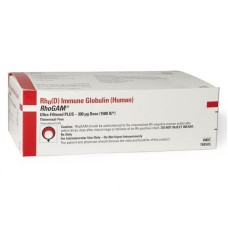

Define Rho(D) Immune Globulin as a Product Category and Explain Its General Purpose
Rho(D) Immune Globulin is an essential category of biologic medication derived from human plasma. Primarily used to prevent Rh immunization in Rh-negative women who are exposed to Rh-positive blood, this medication plays a critical role in obstetric care and management. When an Rh-negative mother carries an Rh-positive fetus, there is a risk that the mother's immune system may produce antibodies against the Rh-positive red blood cells. This immunization can lead to hemolytic disease of the newborn (HDN) in subsequent pregnancies, which can have severe consequences for neonatal health. The purpose of Rho(D) Immune Globulin is to provide passive immunity by neutralizing the Rh-positive blood cells before the mother’s immune system can react adversely.
Administered via intramuscular injection, Rho(D) Immune Globulin is typically given at around 28 weeks of gestation and within 72 hours after delivery, should the infant be Rh-positive. Additionally, this treatment may be indicated in any situation where there may be Rh-positive blood exposure, including trauma, certain prenatal procedures, or miscarriage. The proper use of Rho(D) Immune Globulin is integral to preventing complications associated with Rh incompatibility, significantly reducing the risk of serious health issues in newborns.
Describe How Rho(D) Immune Globulin Fits into Broader Product Ecosystems or Treatment Strategies
In the context of maternal-fetal medicine and transfusion practices, Rho(D) Immune Globulin occupies a pivotal role within a larger ecosystem of healthcare strategies aimed at ensuring both mother and child’s safety. Alongside standard prenatal care, the inclusion of Rho(D) Immune Globulin in treatment portfolios reflects a proactive approach to managing risks associated with Rh incompatibility. This biologic not only enhances maternal health but also addresses a critical gap in the management of high-risk pregnancies.
Healthcare providers utilize Rho(D) Immune Globulin as part of an integrative treatment strategy that may include routine ultrasounds, blood type screenings, and comprehensive patient education. The product works in conjunction with other medical interventions designed to monitor and manage fetal well-being. Its role in preventing immunization connects with educational campaigns that inform expectant mothers of their Rh status and the importance of timely administration of this treatment. Furthermore, Rho(D) Immune Globulin is part of the strategies used in emergency medicine to manage Rh-negative individuals who may experience significant trauma or surgeries that risk exposure to Rh-positive blood, thus underscoring its versatility and importance in a range of healthcare scenarios.
Explain the Advantages Users Typically Expect from This Category
Users and healthcare professionals expect several key advantages from Rho(D) Immune Globulin, which highlight its significance in maternal and neonatal health. These advantages include:
Prevention of Rh Immunization: The primary advantage is the prevention of the mother's immune system from forming antibodies against Rh-positive blood, thus averting complications in future pregnancies.
Reduced Risk of Hemolytic Disease: By preventing the maternal immune response, Rho(D) Immune Globulin significantly lowers the incidence of hemolytic disease of the newborn, which can lead to serious health issues or even fetal demise.
Proven Safety Profile: Extensive research and real-world applications have demonstrated that Rho(D) Immune Globulin has a well-established safety profile for use during pregnancy, with few adverse effects.
Prompt Administration Leads to Better Outcomes: The effectiveness of Rho(D) Immune Globulin relies on timely administration, which has been shown to directly correlate with improved outcomes for neonates.
Broadening Applicability: Beyond obstetric applications, Rho(D) Immune Globulin is useful in various medical situations, including trauma care and surgeries involving Rh-negative individuals, highlighting its versatility.
Discuss Risks, Precautions, and Contraindications for Use
While Rho(D) Immune Globulin is markedly beneficial, it is essential to consider the associated risks, precautions, and contraindications before administration. As with any medical product, awareness of potential side effects and complications is crucial in ensuring patient safety. Common side effects may include localized pain, swelling at the injection site, or mild fever. Serious side effects, although rare, could involve allergic reactions, hemolytic reactions, or anaphylaxis, necessitating monitoring post-injection.
Precautions should include thorough screening of a patient’s medical history, especially looking for any previous allergic reactions to immune globulin products. Contraindications exist primarily for individuals who have a known hypersensitivity to the components in Rho(D) Immune Globulin or those with a confirmed Rh-positive blood type, as this treatment will not offer benefits in such cases. Additionally, patients with severe thrombocytopenia or certain bleeding disorders should be evaluated carefully before receiving Rho(D) Immune Globulin. Ongoing communication and education between healthcare providers and patients are vital in minimizing risks and maximizing the therapeutic benefits of this biologic product.
Conclude with Guidance on How Users Should Approach Understanding and Exploring the Rho(D) Immune Globulin Category Responsibly
As individuals or healthcare professionals seek to understand and explore the Rho(D) Immune Globulin category, it is essential to approach this subject matter with informed caution and clarity. First and foremost, individuals should engage in open dialogues with healthcare providers to gain accurate and personalized information regarding the necessity and timing of Rho(D) Immune Globulin administration. Seeking resources from reputable medical organizations can also amplify understanding about its role, benefits, and limitations.
Additionally, it is critical for patients to remain informed about ongoing research and advancements related to Rho(D) Immune Globulin, as new data can influence best practices and recommendations. Monitor emerging guidelines from established health authorities to ensure adherence to the latest medical standards. Responsible exploration of this category encompasses a commitment to understanding both evidence-based practices and patient-specific factors that influence the use of Rho(D) Immune Globulin. By fostering a collaborative approach between patients and healthcare professionals, better health outcomes are achievable in the context of Rh incompatibility management.