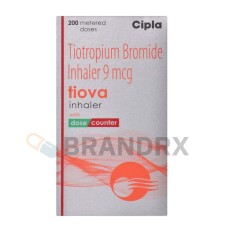
Understanding the Role of Tiotropium bromide
Tiotropium bromide is a medication commonly used by patients suffering from chronic obstructive pulmonary disease (COPD) and asthma. Users typically seek relief from symptoms such as shortness of breath, wheezing, and a persistent cough. However, many misconceptions surround this medication; some individuals mistakenly believe it is a rescue inhaler meant for immediate relief. Instead, Tiotropium bromide is a long-acting inhaled anticholinergic agent designed to maintain open airways and control symptoms over time. Understanding the drug's purpose, administration, and correct use patterns is crucial for maximizing its benefits. Users often struggle with the distinction between quick-relief and maintenance medications, which can lead to ineffective management of respiratory conditions.
Mechanism of Action and Important Parameters
Tiotropium bromide works by competitively inhibiting muscarinic receptors in the lungs, resulting in bronchodilation, or the widening of airways. When correctly administered, it allows for improved airflow, reducing symptoms associated with chronic respiratory conditions. Users typically inhale Tiotropium bromide using a specific inhalation device, which is designed to deliver the medication directly into the lungs. Proper usage techniques are vital; incorrect inhalation can prevent the drug from working effectively. The dosing schedule is also essential—Tiotropium bromide is usually prescribed for once-daily use, promoting consistent medication levels and airway openness throughout the day. Patients need to be well-informed about the correct dose and methodology to achieve optimal results.
Evaluation of Treatment Categories Over Time
When comparing Tiotropium bromide to other treatment categories for respiratory diseases, it is beneficial to look at the approach to management rather than specific brand differences. For example, while corticosteroids also aim to reduce inflammation and improve breathing, they often come with different administration schedules and potential side effects. In contrast to short-acting beta-agonists (SABAs), which provide immediate relief, Tiotropium bromide emphasizes long-term control and preventive care. Each category of treatment serves a unique role; thus, understanding the purpose and effect of each is essential to forming a comprehensive management plan for respiratory issues. Knowledge of how therapies relate to one another empowers patients and caregivers to make informed decisions about their health.
Safety Precautions and Professional Guidance
Despite the functionality of Tiotropium bromide, it is critical for patients to recognize the limitations and contraindications associated with this medication. Individuals with specific pre-existing conditions, such as a history of hypersensitivity to the drug, may experience adverse reactions and should consult their healthcare provider prior to starting treatment. Additionally, while Tiotropium bromide is effective for many, it may not be suitable for all respiratory conditions. Patients who rely solely on this medication for acute attacks may find it ineffective, highlighting the necessity of incorporating quick-relief options in their treatment plan. Regular consultations with healthcare professionals ensure that the patient’s treatment plan evolves according to their changing needs and helps in managing any side effects or complications that may arise from the use of the medication.
Exploring the Tiotropium bromide Category Page
Navigating the Tiotropium bromide category page effectively is essential for both new and existing patients. To begin with, users should start with informative resources that discuss the implications of using this medication, including potential benefits and drawbacks. In addition, patient testimonials can offer real-world insights into the medication’s effectiveness, helping future users align their expectations. There are also guides available on proper inhalation techniques, enabling users to maximize the efficacy of the medication. Lastly, individuals should familiarize themselves with relevant articles on related topics, including other medications available for respiratory issues, giving them a broader understanding of their treatment options. By engaging with the content on this category page, users can empower themselves to take control of their respiratory health.