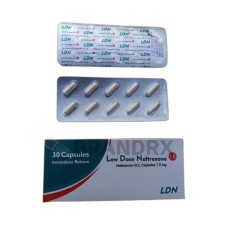

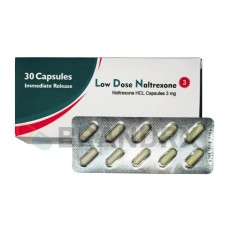
Buy Low Dose Naltrexone in the USA
Low Dose Naltrexone (LDN) is a medication increasingly recognized for its potential benefits across various health conditions. The primary purpose of LDN is to modulate the immune system and alleviate symptoms related to autoimmune disorders, chronic pain, and even some forms of cancer. Its unique formulation allows for the delivery of lower doses of naltrexone, which acts differently than conventional dosages used for opioid dependence. The primary advantages of its release forms include liquid solutions and capsule variations, providing flexibility for dosing and easier administration. Results from clinical anecdotal evidence suggest that individuals using LDN may experience notable improvements in fatigue, pain relief, and overall wellbeing. This medication is especially intended for individuals suffering from conditions like multiple sclerosis, fibromyalgia, and Crohn's disease. The effects of LDN demonstrate a predictable progression, showcasing a density of results that can improve quality of life for many patients.
How to structure practical use
Understanding the pharmacokinetics of Low Dose Naltrexone is crucial for effective usage. The half-life period of LDN typically ranges from 4 to 6 hours, which necessitates careful timing of doses. For initial users, dividing the daily dose into morning and evening intakes may provide a better experience and mitigate potential side effects. It is often recommended that users start with a low dose, such as 1.5 mg, and gradually increase to a target dose of approximately 4.5 mg per day, ensuring stable concentrations in the bloodstream. Practical tips for a successful intake regimen include consuming the medication at the same time each day, with or without food, based on personal tolerance. To alleviate gastrointestinal discomfort that some may experience, it is advisable to take LDN with a small meal. Consistent use is essential for maintaining stable blood levels, and adherence to a prescribed schedule can significantly influence results.
Duration and working ranges
The standard course duration for Low Dose Naltrexone can vary, but many patients observe meaningful results typically within a 6 to 12-week timeframe. Throughout this course, users may experience an increase in energy levels, reduced pain, and improved mood, reflecting the medication's immune-modulating effects. Dosage recommendations suggest starting low and increasing gradually based on the individual’s response. Starting with 1.5 mg and increasing by 0.5 mg every two weeks allows the body to acclimate without overwhelming any systems. Various factors can influence the effectiveness of LDN, including training intensity, quality of sleep, and nutrition. Therefore, individuals involved in intense physical activity or with specific dietary needs should maintain a close watch on their responses and adjust the regimen accordingly, ensuring that it's sustainable and beneficial.
State monitoring and expected dynamics
Monitoring health metrics is vital during long-term LDN courses to ensure optimal outcomes and safety. Regular lab testing is necessary to track key indicators such as liver enzymes, hemoglobin levels, and blood pressure readings. It is generally advised to conduct these tests every 4 to 6 weeks, especially within the first few months of treatment. Users can expect to see initial results manifest within four to six weeks, particularly concerning pain management and energy levels. To sustain results post-therapy, a gradual tapering off of LDN may be beneficial, along with a carefully planned post-cycle therapy. Continued monitoring during and after the course can help maintain the desired balance in the immune system and overall health.
Monitoring during intense training
The importance of maintaining a journal to track physiological responses while using Low Dose Naltrexone cannot be overstated. Keeping a symptom diary allows users to identify patterns and possible correlations between LDN intake and exercise outcomes. Symptoms that may require attention include increased fatigue, persistent gastrointestinal issues, and unusual mood fluctuations. Consultation with a healthcare provider is recommended if these symptoms arise, and caution should be exercised when combining LDN with other products, particularly performance enhancers or supplements.
Safety and results when using Low Dose Naltrexone
Prior to initiating treatment with Low Dose Naltrexone, it is essential to undergo a comprehensive health evaluation. This assessment is crucial for safety and for monitoring individual responses to the medication. Contraindications include liver function disorders, heart and vascular diseases, and specific oncological conditions. Additionally, those who are pregnant or breastfeeding, individuals under the age of 21, and those with known individual intolerances should avoid using LDN. To optimize safety, necessary medical examinations may include liver function tests, renal panels, and comprehensive blood work. This kind of careful oversight helps ensure the efficacy and safety of treatment over time.