













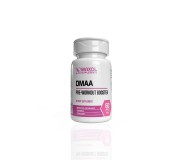
Goals and Misunderstandings of 1,3-Dimethylamylamine DMAA
1,3-Dimethylamylamine (DMAA) is often sought after by individuals looking to enhance their physical performance, boost energy levels, or support weight loss efforts. Common goals of users range from increased endurance during workouts to improved mental focus for tasks demanding heightened concentration. However, there is a significant level of misunderstanding surrounding this compound. Many users mistakenly believe that DMAA is a completely safe stimulant due to its availability in various dietary supplements and pre-workout formulas. This misconception can lead to misuse and challenges in understanding dosage recommendations. Additionally, users might not always be aware of the differences in formulation and purity among products claiming to contain DMAA, further complicating their choices in selecting an effective solution for their fitness or weight management goals.
Understanding the Mechanism of 1,3-Dimethylamylamine DMAA
The way 1,3-Dimethylamylamine (DMAA) operates within the body is essential in comprehending its potential benefits and drawbacks. Primarily, DMAA acts as a stimulant, engaging the central nervous system to produce effects such as enhanced alertness, increased heart rate, and elevated energy levels. This is primarily accomplished through its ability to stimulate the release of norepinephrine, a neurotransmitter that plays a key role in the 'fight or flight' response. Users typically experience heightened focus and stamina, making it appealing for athletes and fitness enthusiasts. The parameters that users should consider include individual tolerance levels, timing of intake, and the specific context in which the stimulant is being used, such as during physical activity or cognitive tasks. The interplay of these factors can significantly influence the overall experience and effectiveness of DMAA.
Comparison of 1,3-Dimethylamylamine DMAA with Similar Substances
When evaluating 1,3-Dimethylamylamine (DMAA), it is beneficial to compare it with nearby categories of substances, specifically other stimulants and performance-enhancing compounds. For example, caffeine is a widely used stimulant that can enhance concentration and athletic performance but does so through different mechanisms. Unlike DMAA, caffeine generally has a broader safety profile and is less controversial regarding regulatory concerns. Similarly, substances like synephrine and ephedrine may also deliver similar energy-boosting effects but come with their own sets of risks and restrictions. This comparison helps clarify DMAA's positioning within the landscape of performance enhancers, demonstrating that while it may offer some unique benefits, it also carries a set of challenges that differentiate it from safer options. Understanding these principles allows users to make more informed choices based on their needs and goals.
Limitations and Contraindications of 1,3-Dimethylamylamine DMAA
Despite the attractive benefits associated with 1,3-Dimethylamylamine (DMAA), users must remain vigilant of the limitations and contraindications linked with its use. Side effects can include elevated blood pressure, increased heart rate, and potential nervous system overstimulation, which can be dangerous for individuals with pre-existing health issues or those taking certain medications. Pregnant women and people with cardiovascular conditions are especially advised to approach DMAA with caution. Given the risk of adverse reactions, a consultation with a healthcare professional is encouraged to ensure that individual health profiles and goals align with the use of DMAA. Moreover, understanding the legal status of DMAA in various states is crucial, as it has been banned in some areas due to safety concerns. Users should take these factors into account before incorporating DMAA into their routines.
Navigating the 1,3-Dimethylamylamine DMAA Category Page
When exploring the 1,3-Dimethylamylamine (DMAA) category page, it is essential to approach it with a structured mindset. Users should start by reviewing product descriptions and ingredient lists to ensure they are aware of the formulation's specifics. This includes understanding the concentration of DMAA, the presence of other active ingredients, and any potential fillers or additives. Additionally, research user reviews and testimonials to gain insights into real-world effectiveness and experiences, as this can provide context beyond mere functionality. It is also advisable to look at any available scientific studies or clinical trials that might support claims made by the product manufacturers. By navigating thoughtfully and critically, users can make better-informed decisions tailored to their personal health and fitness objectives. The DMAA category can serve as a valuable resource when approached with caution and the right knowledge.