 All about product
 Specification
 Reviews
 Questions
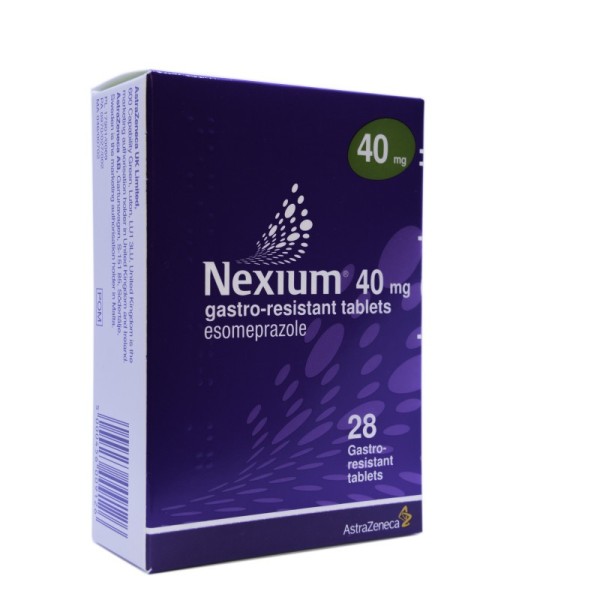

Nexium 40 AstraZeneca: Definition and Key Characteristics
Nexium 40 AstraZeneca is a well-known proton pump inhibitor (PPI) used primarily to treat various conditions related to excessive stomach acid production. With its active ingredient, esomeprazole, Nexium effectively blocks the proton pump in the stomach lining, significantly reducing acid secretion. This mechanism is crucial for patients suffering from disorders such as gastroesophageal reflux disease (GERD), Zollinger-Ellison syndrome, or those experiencing heartburn. The medication is designed to provide not only symptom relief but also long-term healing of the esophagus by maintaining an optimal pH level in the stomach.
The key characteristics of Nexium include its ability to provide rapid symptomatic relief, usually within one to two hours after administration. It’s characterized by a high bioavailability, which means that a larger portion of the drug reaches systemic circulation, enhancing its effectiveness. The formulation of Nexium is also notable; it allows for easier absorption in the body, which may result in a more consistent therapeutic response in comparison to other medications in its class.
Presentation and Availability of Nexium
Nexium 40 AstraZeneca is commonly available in delayed-release capsules and as an intravenous injection. The oral formulation comes in a variety of strengths, with the 40 mg dose offering a robust option for patients requiring increased acid suppression. Additionally, the capsules are designed for ease of swallowing and are coated to prevent degradation by stomach acid, ensuring that the medication is released in the appropriate section of the gastrointestinal tract.
For patients who may have difficulty with oral administration, the intravenous option serves as a practical alternative, especially in hospital settings. This dual availability contributes to the flexibility of treatment plans for various patient needs, ensuring that healthcare providers can tailor options specifically for individual circumstances.
Choosing Nexium 40 AstraZeneca Over Other Treatments
One significant aspect of Nexium 40 AstraZeneca is its differentiation from other acid-reducing medications, such as H2-receptor antagonists and older PPIs. The unique formulation of Nexium grants it a higher efficacy rate in reducing acid reflux and related symptoms. Unlike some alternatives that may require multiple dosages throughout the day, Nexium is often prescribed as a once-daily medication, offering greater convenience and adherence for patients. This makes it an appealing option for those with a busy lifestyle.
Another advantage of Nexium is its effectiveness in the long-term management of erosive esophagitis and other serious acid-related conditions. While some may experience tolerance with other medications over time, Nexium maintains its efficacy, making it a reliable choice for ongoing treatment. Furthermore, studies suggest that Nexium may have a lower incidence of side effects compared to traditional antacids or older PPI variants, which adds to its attractiveness for both patients and healthcare providers.
Long-Term Use and Considerations for Nexium
When considering Nexium 40 AstraZeneca for long-term use, it is important to be aware of potential contraindications and who may not be suitable for this treatment. Patients with specific health conditions such as severe liver impairment, certain forms of kidney disease, or those who are pregnant or breastfeeding should consult their healthcare providers before starting treatment with Nexium. Additionally, children under the age of 12 might not be appropriate candidates for this medication without direct supervision from a healthcare professional.
Long-term use of Nexium has been associated with certain risks, including potential nutritional deficiencies (such as magnesium and vitamin B12), an increased risk of Clostridium difficile infections in the colon, and bone density issues. It is essential for patients to undergo routine evaluations with their healthcare provider to assess the ongoing necessity of the medication and to manage any potential risks effectively.
Practical Advice for Using Nexium 40 AstraZeneca
When deciding to start Nexium 40 AstraZeneca, it is crucial to consult a healthcare provider to discuss personal medical history and potential drug interactions. They can guide the appropriate dosage based on individual health needs and concerns. Ideally, patients should follow the prescribed regimen, taking the medication at the same time each day for optimal effectiveness.
Furthermore, lifestyle changes can enhance the overall success of treatment with Nexium. This includes maintaining a balanced diet, avoiding trigger foods, and practicing stress-reduction techniques. Regular follow-ups with a healthcare provider are vital to monitor the effectiveness of the medication and make any necessary adjustments to the treatment plan.
In conclusion, Nexium 40 AstraZeneca offers a valuable solution for those dealing with excessive stomach acid-related issues. By understanding its characteristics, presentation, and associated considerations, patients can make informed decisions about their healthcare regimen.


There are no reviews for this product, be the first to leave your review.


No questions about this product, be the first and ask your question.
