 All about product
 Specification
 Reviews
 Questions
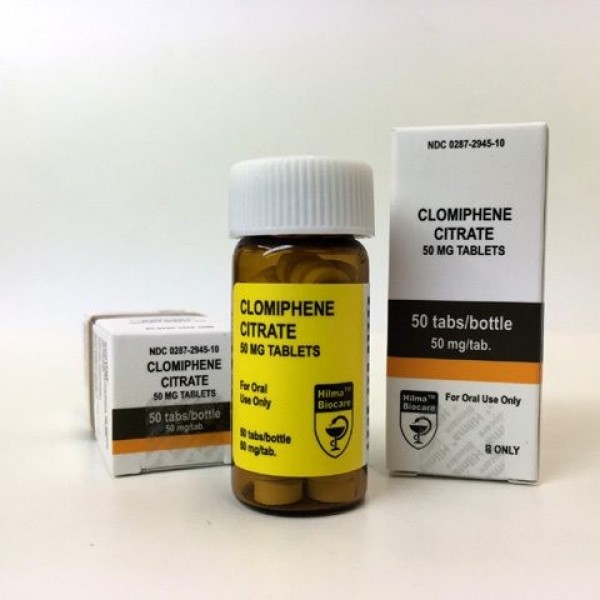

Understanding Clomiphene Citrate Pharmaceutical: Key Characteristics and Mechanisms
Clomiphene Citrate Pharmaceutical is a fertility medication primarily used to treat ovulatory dysfunction in women who are seeking to conceive. It functions as a selective estrogen receptor modulator (SERM), which means it binds to estrogen receptors in the hypothalamus, effectively tricking the body into believing that estrogen levels are lower than they actually are. This stimulation causes the pituitary gland to release increased levels of follicle-stimulating hormone (FSH) and luteinizing hormone (LH), promoting ovarian follicle development and ovulation. Key characteristics of Clomiphene Citrate include its oral administration, relatively low cost, and a well-documented track record of safety and efficacy. It's important for users to consult healthcare professionals before starting treatment to ensure appropriate use.
Available Presentation of Clomiphene Citrate Pharmaceutical
Clomiphene Citrate Pharmaceutical is predominantly available in tablet form, typically dosed at 50 mg or 100 mg. The medication is usually taken orally for a specified cycle, often starting on day 3 to day 5 of the menstrual cycle and continuing for five consecutive days. Depending on individual needs and responses, a healthcare provider may adjust the dose during subsequent cycles. The ease of oral administration makes it a preferred choice for many women, as it eliminates the need for injections or more invasive procedures. Additionally, Clomiphene Citrate is both prescription-based and accessible, enabling patients to obtain it through licensed pharmacies after receiving a prescription from their healthcare provider.
Why Choose Clomiphene Citrate Pharmaceutical Over Other Fertility Treatments
Clomiphene Citrate Pharmaceutical offers distinct advantages compared to other fertility treatments such as injectable gonadotropins or in vitro fertilization (IVF). First and foremost, it is significantly more cost-effective, which is an essential consideration for many couples experiencing infertility. Furthermore, because Clomiphene is taken orally, it is less invasive and often associated with fewer side effects compared to injectable medications. Its ability to induce ovulation, particularly in women with polycystic ovary syndrome (PCOS) or unexplained infertility, makes it an attractive option. In clinical settings, many patients achieve successful pregnancies with Clomiphene Citrate, underscoring its effectiveness as a first-line treatment. However, it’s critical for potential users to consult with their healthcare providers to evaluate their unique circumstances and determine if Clomiphene is the right fit.
Long-Term Effects and Contraindications of Clomiphene Citrate Pharmaceutical
While Clomiphene Citrate Pharmaceutical is effective for many women, it is not suitable for everyone. Women who are currently pregnant should avoid using this medication, as it can potentially harm fetal development. Additionally, it is generally contraindicated in individuals with liver disease, abnormal vaginal bleeding of unknown origin, or hormone-dependent tumors. Long-term use of Clomiphene may lead to potential complications, such as ovarian hyperstimulation syndrome (OHSS) or an increased risk of multiple births (twins or more). It is crucial for users to discuss their complete medical history and any pre-existing conditions with their healthcare provider to ensure safe and effective use of the medication.
Practical Advice for Starting with Clomiphene Citrate Pharmaceutical
When considering the use of Clomiphene Citrate Pharmaceutical, it is important to approach the process systematically. First, schedule a comprehensive evaluation with a healthcare provider specializing in reproductive health. This assessment typically includes a review of medical history, physical exams, and possibly some fertility testing. If Clomiphene is recommended, follow the prescribed dosage instructions closely and maintain open communication with your healthcare team regarding any side effects or concerns. It may also be helpful to track ovulation signs, such as changes in basal body temperature or cervical mucus, during treatment to understand its effectiveness. Lastly, be patient and open to adjustments in treatment, as success rates can vary, and multiple cycles may be necessary for some women.


There are no reviews for this product, be the first to leave your review.


No questions about this product, be the first and ask your question.
