 All about product
 Specification
 Reviews
 Questions
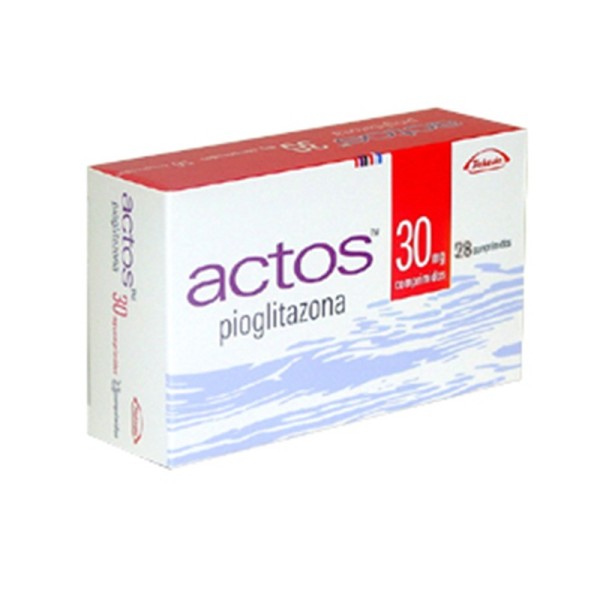

What Defines Actos 30 TAKEDA
Actos 30 TAKEDA is a prescription medication primarily used in the management of type 2 diabetes. Its active ingredient, pioglitazone, belongs to the thiazolidinedione class of antidiabetic agents. The primary mechanism of action involves improving insulin sensitivity in muscle and adipose (fat) tissue, as well as reducing glucose production in the liver. By effectively enhancing the body’s response to insulin, Actos 30 TAKEDA plays a crucial role in controlling blood sugar levels in individuals diagnosed with this condition.
This medication is also characterized by its ability to promote lipid profile improvement, lending an additional benefit to patients with type 2 diabetes who often face cardiovascular risks. Actos 30 TAKEDA is a well-tolerated drug that can be taken with or without food, offering convenience and flexibility for patients. Furthermore, its dosage is easy to adjust under medical supervision, making it a suitable option for various individuals coping with diabetes.
Types and Forms of the Pharmaceutical Product
Actos 30 TAKEDA is primarily available in tablet form, which is easy to administer. Typically, these tablets are offered in 15 mg, 30 mg, and 45 mg dosages, allowing healthcare providers to prescribe appropriate amounts based on individual patient needs. The efficacy and patient adherence to treatment can significantly vary depending on the chosen dosage form, further emphasizing the importance of a tailored approach when initiating therapy.
Besides the tablet format, Actos may also come in other formulations that cater to patients’ varying levels of glycemic control. This variety ensures that patients can find the most effective option for their unique situation, thus enhancing overall treatment outcomes. Moreover, the availability of different dosages gives healthcare providers the flexibility to optimize treatment based on patient response and tolerance.
Key Differences Between Actos 30 TAKEDA and Other Related Substances
When compared to other antidiabetic medications, Actos 30 TAKEDA stands out due to its specific mechanism of action that primarily focuses on increasing insulin sensitivity rather than stimulating insulin secretion. This, in turn, helps prevent potential hypoglycemic episodes that can occur with other diabetes treatments such as sulfonylureas or insulin injections. Unlike metformin, which may cause gastrointestinal side effects, Actos 30 TAKEDA generally has a more favorable gastrointestinal tolerability profile.
Additionally, the unique properties of pioglitazone allow for a broader therapeutic window, making Actos 30 TAKEDA a compelling option for many patients who have not achieved adequate glycemic control with other medications. Patients considering Actos 30 TAKEDA may benefit from its proven efficacy, safety profile, and distinctive mode of interaction with bodily systems that rebalance glucose regulation, making it a preferable choice in complex treatment plans designed for type 2 diabetes.
Long-Term Effects and Considerations
The long-term use of Actos 30 TAKEDA can lead to sustained improvements in blood glucose levels, contributing positively to the prevention of diabetes-related complications. However, it is essential for patients to be aware of specific contraindications associated with its use. For example, individuals with heart failure, active bladder cancer, or significant liver disease should avoid this medication. Additionally, pregnant women and minors should also steer clear of Actos 30 TAKEDA, as the effects on these populations are not well-established.
Furthermore, there may be potential risks associated with long-term treatment, such as weight gain and an increased risk of bone fractures. Thus, it is crucial for healthcare providers to monitor patients regularly to adjust treatment plans as necessary and ensure that Actos 30 TAKEDA remains suitable for each individual's changing health needs.
Practical Advice for Choosing or Starting Use of Actos 30 TAKEDA
When considering the initiation of therapy with Actos 30 TAKEDA, it is vital for patients to consult their healthcare provider to evaluate their overall health condition and specific diabetes management goals. Patients should start with the lowest effective dose to minimize potential adverse effects while allowing for personalized adjustments based on their blood sugar responses and tolerability. Regular follow-ups with a healthcare provider are essential to monitor efficacy and safety throughout the treatment process.
In addition, understanding potential lifestyle modifications, such as dietary changes and regular physical activity, can enhance the efficacy of Actos 30 TAKEDA and contribute to better overall glycemic control. Patients should also be educated about the symptoms of low and high blood sugar levels, empowering them to recognize and respond to changes quickly. A collaborative approach involving both medical guidance and patient engagement is fundamental for the successful management of type 2 diabetes using Actos 30 TAKEDA.


There are no reviews for this product, be the first to leave your review.


No questions about this product, be the first and ask your question.
